
8 Chicago PTSD & Complex PTSD Therapists [No Waitlist]
Living with PTSD or complex PTSD can feel like carrying an invisible weight that no one else can see. It shapes how you show up in relationships, how you feel in your body, and how you move through life. When our experiences run so deep that they touch every part of our being, it’s vital to find a therapist who truly understands trauma to support you on your healing journey.
At Watch Hill Therapy, our team of Chicago trauma specialists is here for you. Our entire practice is built around excellence and innovation in trauma therapy, so you’ll feel welcome and understood here. Whether you’ve recently gone through something that’s rocked your sense of self or want to process long-buried experiences from childhood, we can help.
Jump to a therapist
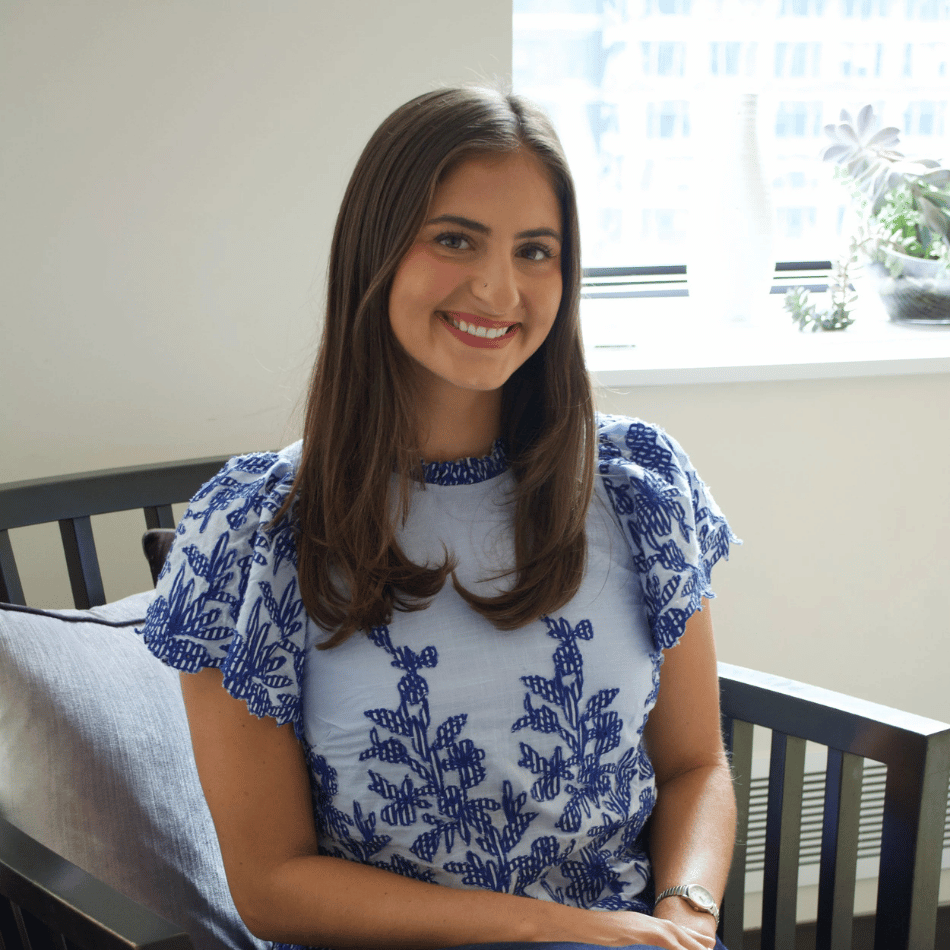
Angie Zara: Good fit for adults navigating co-occurring substance use, trauma, and grief
Kaitlyn Rippel: Good fit for children and teens, including those with ASD
Jennifer Rolnick: Good fit for complex trauma and attachment wounds
Tovah Means: Good fit for complex trauma and dissociation
Aspen Fultz: Good fit for members of the LGBTQIA+ community and new parents
Caitlin Lawler: Good fit for adults seeking EMDR for childhood abuse
Brad McGinnis: Good fit for neurodiverse individuals with complex trauma
Rachel Lara: Good fit for veterans and those seeking art therapy
If you’re unsure which therapist is right for you, contact us so we can match you.
Meet our Chicago PTSD specialists
Angie Zara, LPC
Good fit for adults navigating co-occurring substance use, trauma, and grief
What distinguishes my work from many trauma therapists is that I specialize in the overlap of grief, substance use, and trauma because in real life, those things rarely show up in isolation.
Plus, my background in forensic psychology gives me a sharper, more nuanced lens for understanding how trauma intersects with behavior, identity, and the ways people cope when survival has required difficult choices.
I also work from a harm reduction perspective, which means I'm not here to judge the path that got you here; I'm here to help you find a way forward that feels honest and sustainable for where you’re at now.
Credentials: Licensed Professional Counselor
Focus areas: Trauma, substance use, relationship issues, anxiety, depression, grief
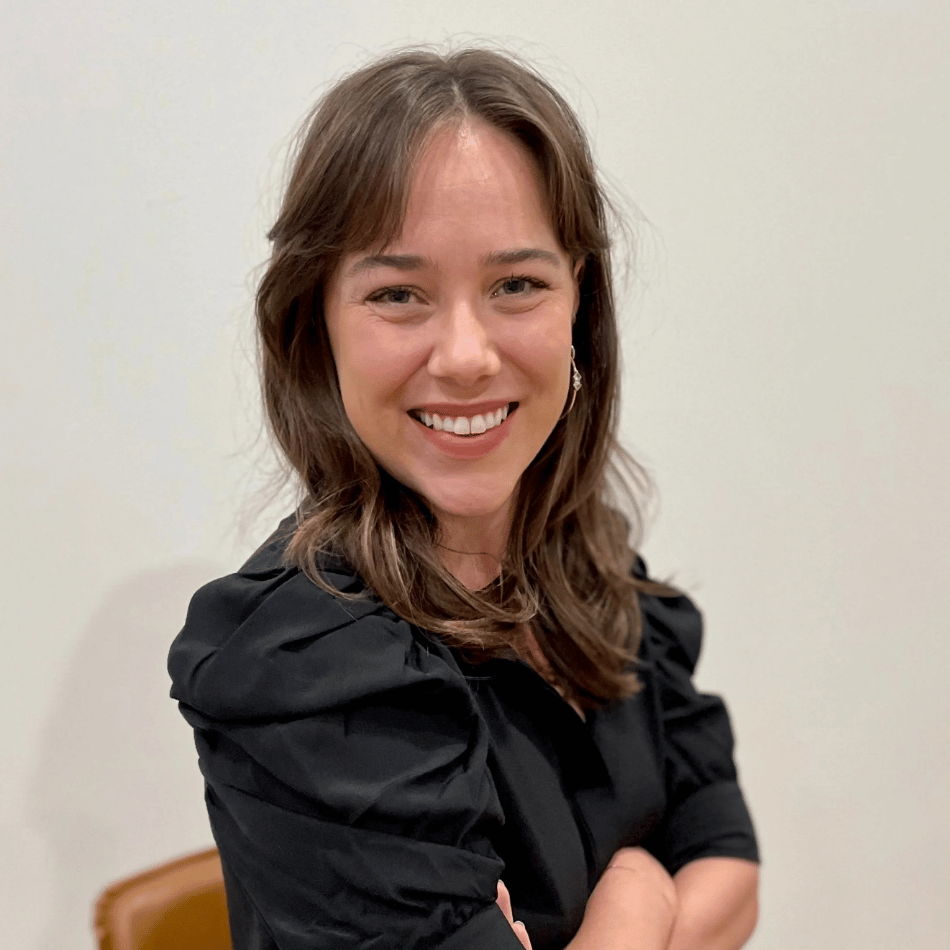
Kaitlyn Rippel, MA, LCSW
Good fit for children and teens, including those with ASD
I'm one of the only therapists at this practice—and among a small number in Chicago—who specializes specifically in trauma treatment for children and adolescents with Autism Spectrum Disorder, a population where trauma is common and yet routinely missed or misattributed to the diagnosis itself.
My years as a school social worker gave me a grounded, real-world understanding of how trauma actually shows up for young people: in the classroom, at home, in the body, and in the way a child learns to relate to the world around them.
I use play therapy, mind-body integration, and distress tolerance skills because I believe healing for young clients has to happen in a language they can access, not just one that's convenient for the adults in the room.
Credentials: Licensed Clinical Social Worker #149026332
Focus areas: Childhood and adolescent trauma, ASD, grief and loss, anxiety, attachment, depression
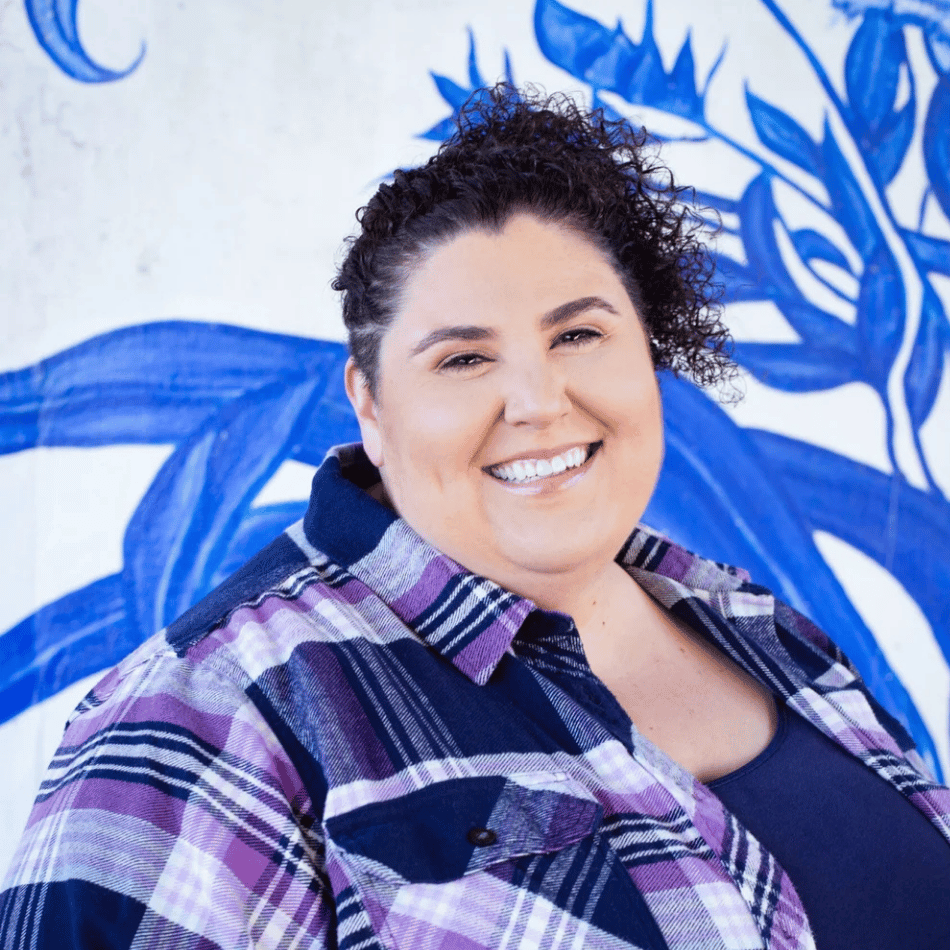
Jennifer Rolnick, Psy.D.
Good fit for complex trauma and attachment wounds
As a licensed clinical psychologist with a doctorate in psychology, one of the few Certified TRE Providers in Chicago, and one of the practice’s co-owners, I bring both the depth of advanced clinical training and a deeply relational approach to treating complex trauma and attachment wounds.
In addition to years of experience working with people across the lifespan and drawing on multiple frameworks like dissociative parts work, the feminist relational model, and somatic talk therapy, I hold relationships at the core of my work. Our attachment wounds impact our view of self, others, and the world, which is why I believe that what was broken in relationship can only truly heal in one. My insight-oriented approach helps clients identify and understand the patterns—in how they think, feel, attach, and protect themselves—that were once necessary for survival but now keep them stuck, and to do that reckoning in a space that is genuinely safe.
Credentials: Licensed Clinical Psychologist #071008423, Certified TRE™ Provider
Focus areas: Trauma, mood and anxiety disorders, life transitions, body-based trauma therapy, children and adults
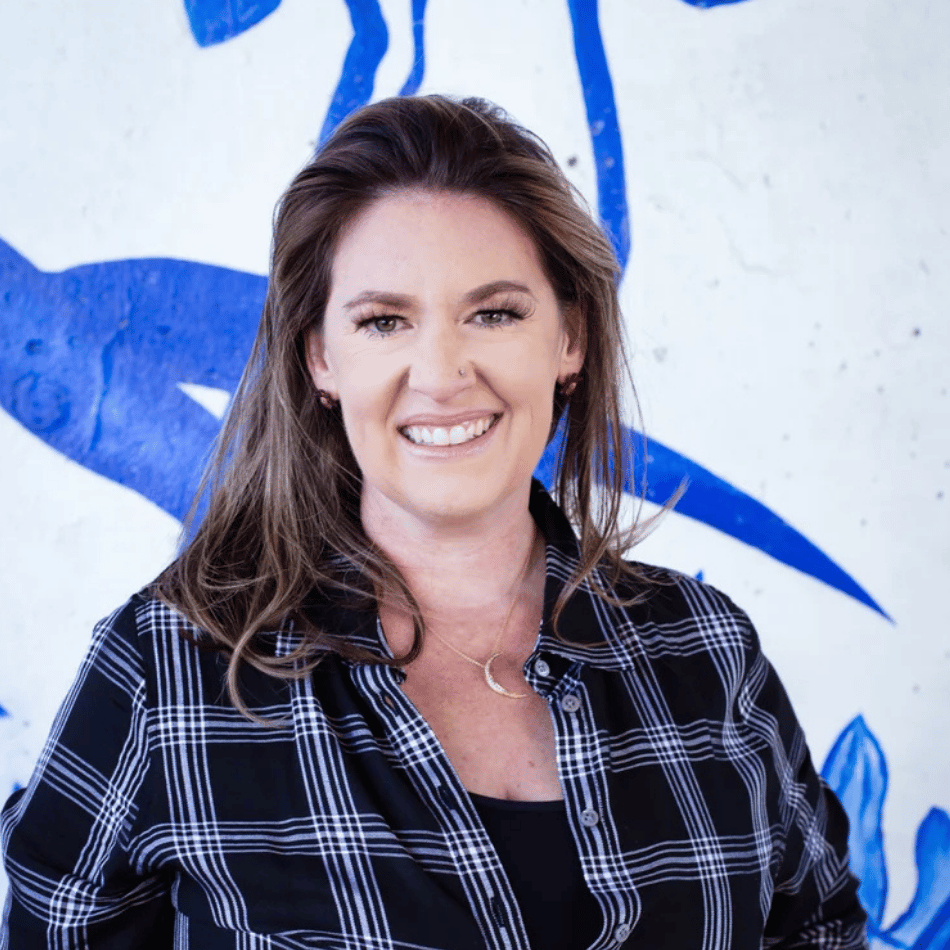
Tovah Means, MS, LMFT
Good fit for complex trauma and dissociation
I founded Watch Hill Therapy in 2012 because I saw a gap in Chicago's mental health landscape: too many trauma survivors—especially those with complex, developmental, and dissociative trauma histories—were receiving care that treated their symptoms without ever touching the root, because their therapists simply hadn't been trained to go that deep.
My clinical framework is highly integrative, drawing from structural dissociation theory, parts work, interpersonal neurobiology, feminist relational models, somatic integration, existentialism, and systems theory to truly customize therapy to your specific needs and goals. I also bring over a decade of deep expertise and passion in treating trauma presentations that other therapists often find most challenging.
Credentials: Licensed Marriage and Family Therapist #166000881
Focus areas: Complex and developmental trauma, dissociation, structural dissociation, somatic integration, systems therapy, adult survivors of childhood abuse
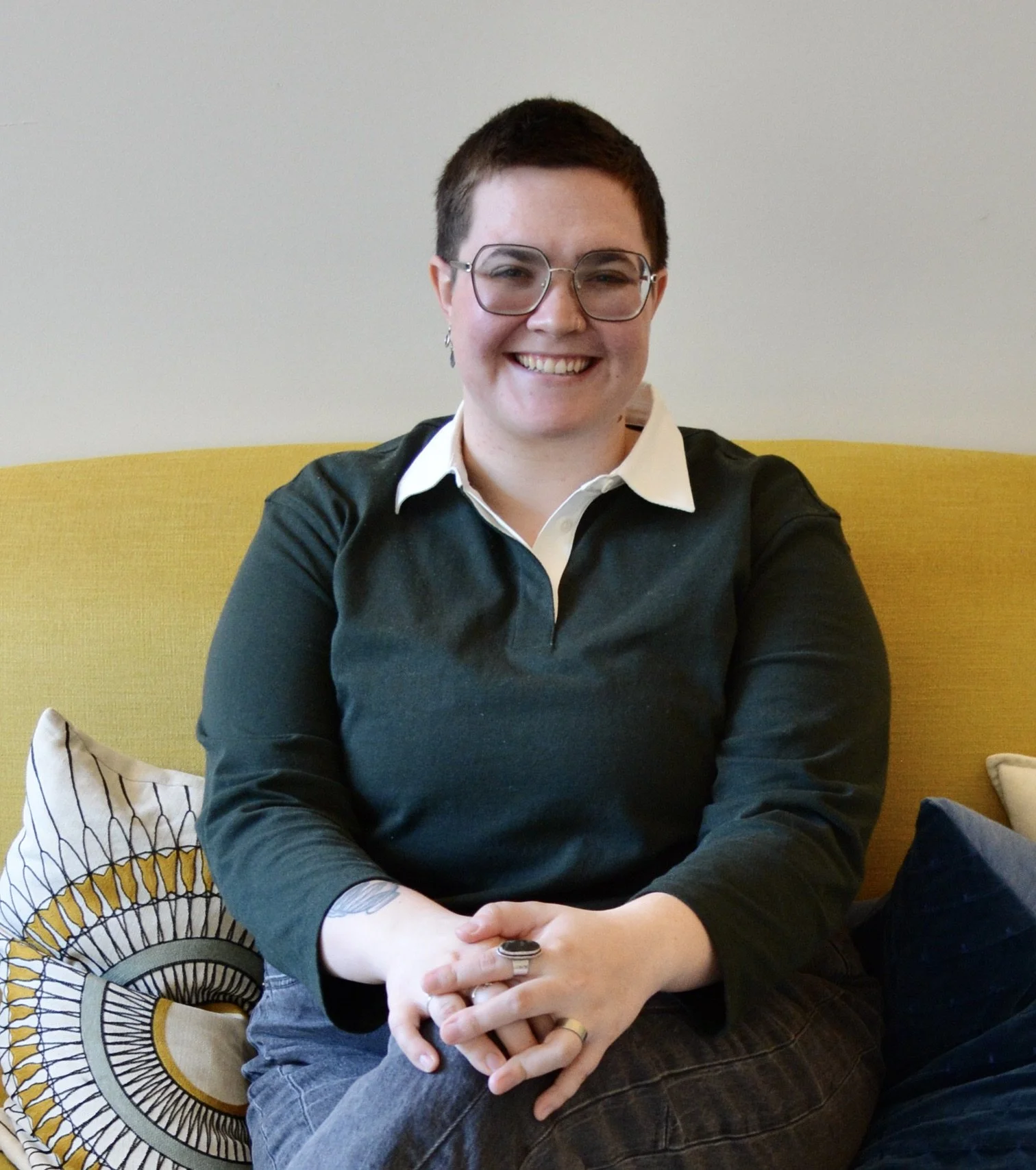
Aspen Fultz, LSW
Good fit for members of the LGBTQIA+ community and new parents
Trauma doesn't exist in a vacuum, and finding a therapist who understands that fully is harder than it should be. I specialize in two populations that are frequently underserved by trauma treatment: LGBTQIA+ individuals navigating the intersection of identity and complex trauma, and people stepping into parenthood while carrying unresolved trauma histories of their own. Trained at the University of Chicago and grounded in a deeply relational, exploratory approach, I offer a space where identity is never an obstacle to work around but an essential part of the healing itself.
Credentials: Licensed Social Worker
Focus areas: LGBTQIA+ affirming care, complex trauma, gender and sexual identity, parenting transitions, grief, PTSD, relational and developmental trauma
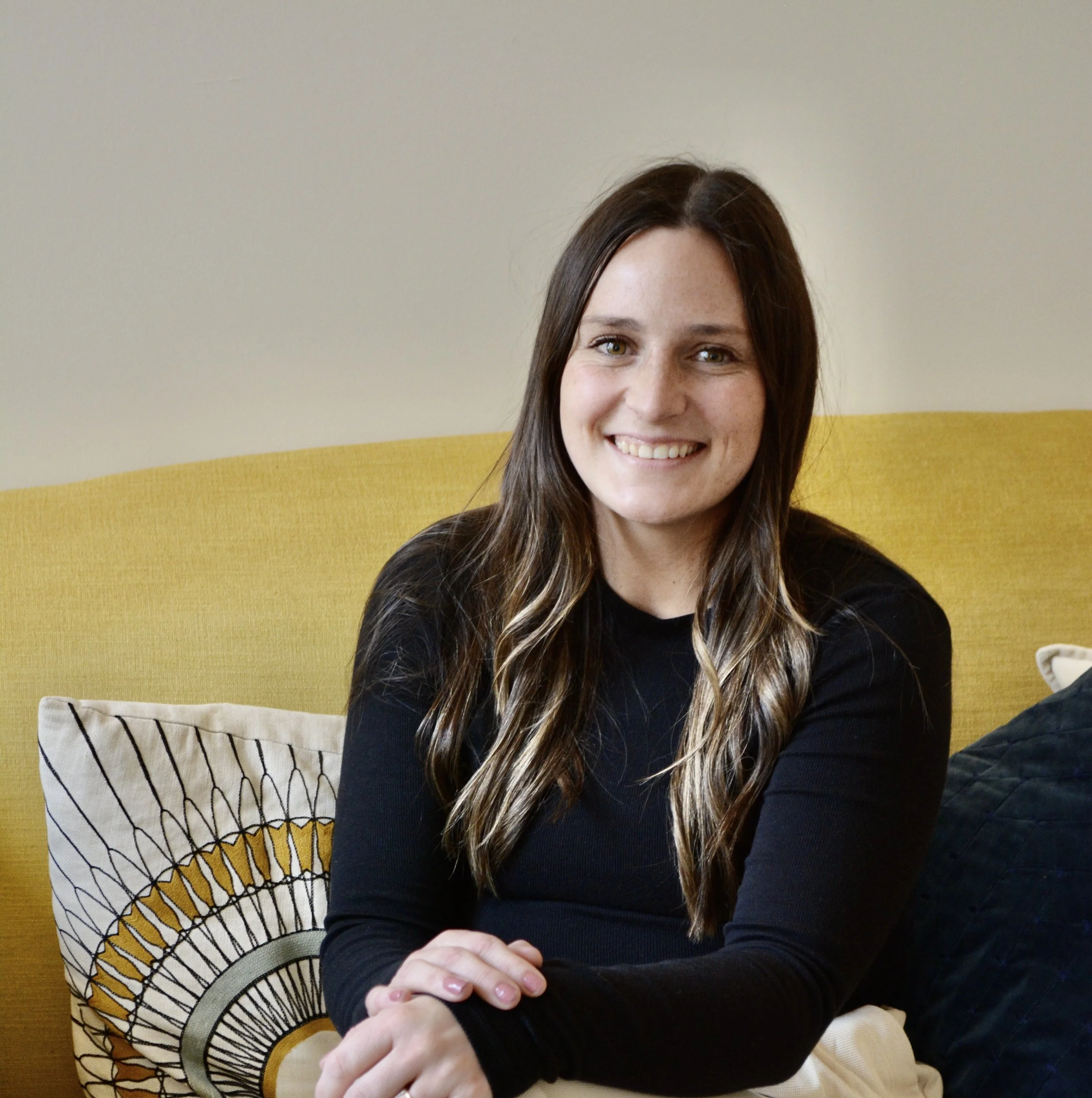
Caitlin Lawler, LPC
Good fit for adults seeking EMDR for childhood abuse
I am the only EMDR-trained therapist at Watch Hill Therapy, which makes me a particularly strong fit for clients who are ready to process specific traumatic memories in a structured, evidence-based way, rather than talking around them indefinitely. My work is grounded in EMDR and supported by an attachment-based lens, IFS-informed approaches, somatic practices, and DBT skills, giving clients both a clear path through trauma processing and the stabilization tools they need to navigate it safely. For adults carrying the weight of childhood abuse, domestic violence, or sexual trauma who have wondered whether anything could actually move the needle, EMDR is often the answer, and I am here to walk through it with you.
Credentials: Licensed Professional Counselor, EMDR-trained
Focus areas: Childhood abuse, domestic violence, sexual violence, attachment and relational trauma, EMDR, IFS-informed approaches, somatic practices
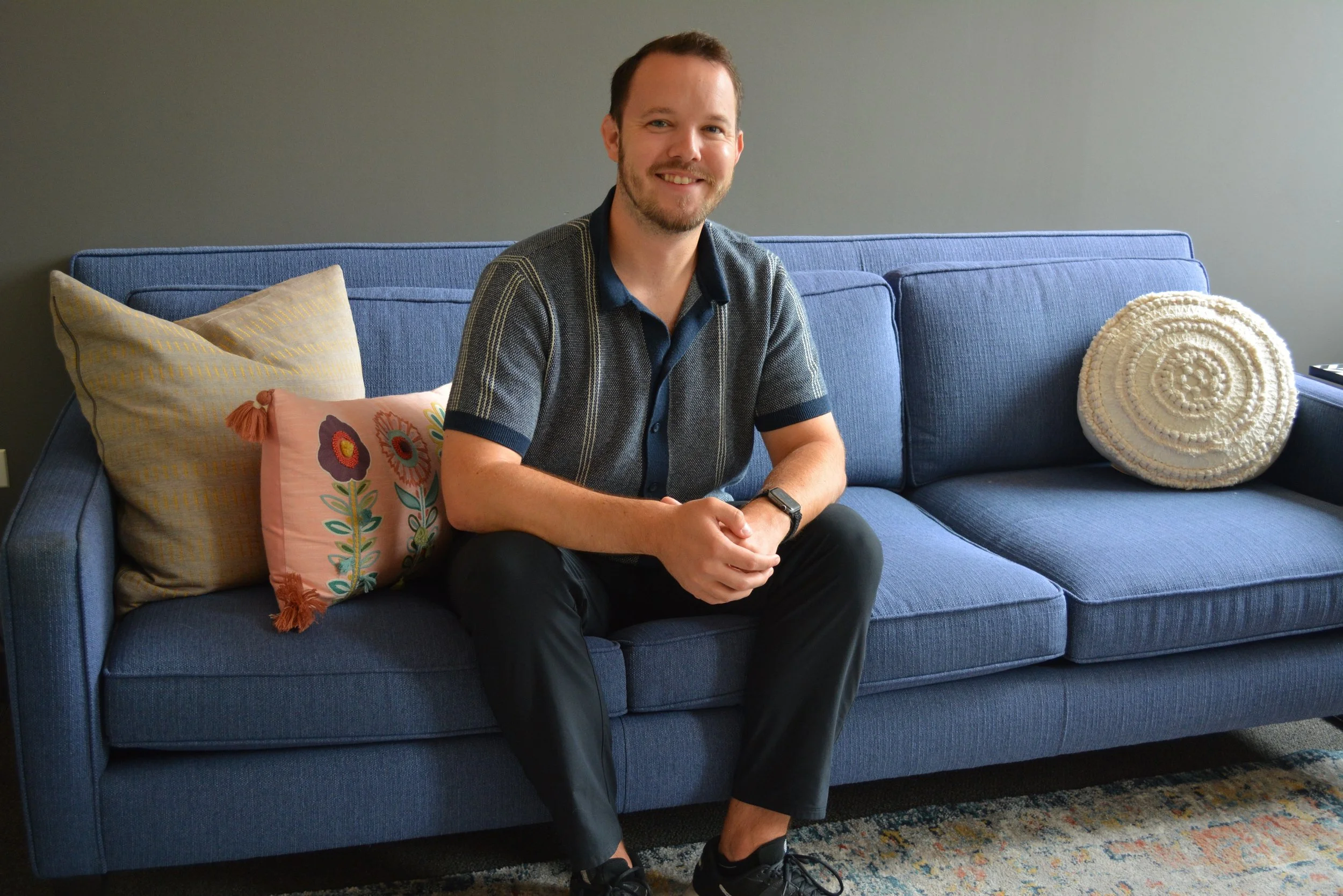
Brad McGinnis, LPC
Good fit for neurodiverse individuals with complex trauma
I work at the intersection of complex trauma and neurodiversity—two experiences that are deeply intertwined and yet rarely treated together with equal clinical attention. Many of my clients arrive having been told, implicitly or explicitly, that their struggles are simply who they are rather than the understandable result of what they've been through, and untangling that distinction is often where the most meaningful work begins. Drawing from person-centered, narrative, Gestalt, existential, and REBT frameworks, I take an approach that is collaborative and deeply individualized—because clients with complex trauma and neurodiverse presentations need treatment that is genuinely built around them, not handed to them from a template.
Credentials: Licensed Professional Counselor
Focus areas: Complex trauma, dissociation, neurodiversity, anxiety, OCD, eating disorders, adolescents and adults
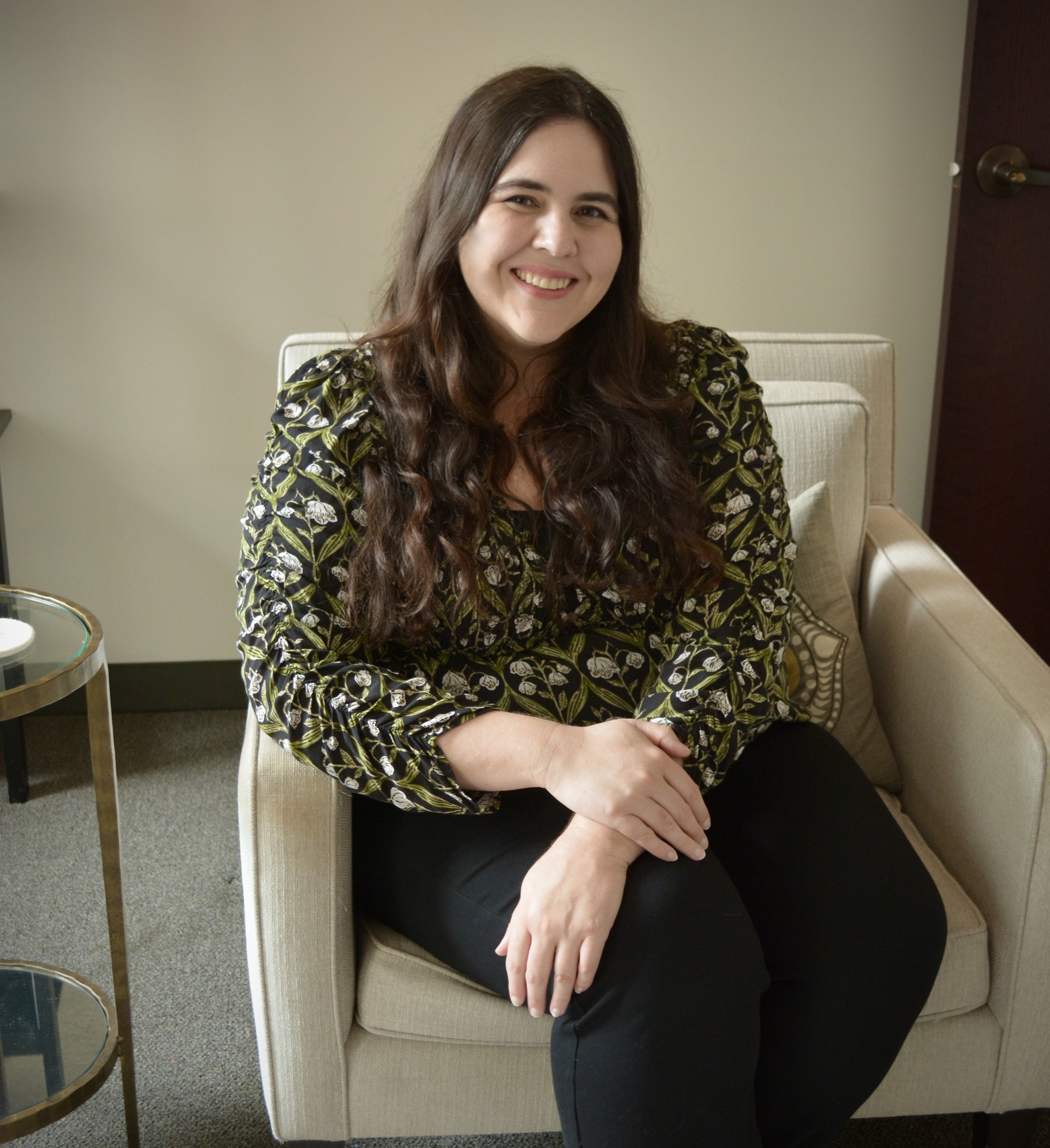
Rachel Lara, MA, ATR-P
Good fit for veterans and those seeking art therapy
I am a trained art therapist as well as a clinical counselor, which means that for clients whose trauma resists language, or for whom words alone have never quite reached the places that most need healing, I offer something genuinely different. My clinical training focused specifically on trauma with veterans, service members, and military-connected families, and I bring stage-based approaches to PTSD, C-PTSD, and DID that are structured, thoughtful, and paced around each client's readiness. I also hold a PhD in Journalism with a specialization in media psychophysiology, giving me an unusual lens for understanding how social structures, media, and cultural narratives shape and sometimes deepen trauma — and how to help clients navigate that reality as part of their healing.
Credentials: Registered Art Therapist (Provisional)
Focus areas: PTSD, C-PTSD, DID, art therapy, veterans and military-connected clients, multicultural and LGBTQ+ affirming care, stage-based trauma treatment
What sets our practice apart from other Chicago PTSD treatment providers
In a city with hundreds of therapists, finding the right trauma specialist—one who truly understands the difference between general stress and the kind of deep, structural wound that PTSD and complex PTSD leave behind—can feel almost impossible. Watch Hill Therapy was built specifically to change that.
13 years of trauma specialization. We've been Chicago's dedicated trauma practice since 2012, long before "trauma-informed" became a trend.
Beyond trauma-informed care. Our team doesn't just understand trauma; they are trained in advanced modalities, including TRE™, structural dissociation, parts work, somatic integration, and relational trauma treatment.
A diverse team of clinicians. Our therapists reflect a wide range of identities, cultural backgrounds, and clinical specialties, so you can find someone who truly gets your world.
Hybrid availability. We offer in-person sessions in the heart of downtown Chicago, along with telehealth care, including evening and weekend hours.
Systems-oriented. We treat individuals, couples, children, and families, because trauma doesn't stop at the individual; it moves through systems
Bilingual services. Spanish-language therapy is available with our bilingual clinician, Joseline.
BCBS PPO accepted. We can bill your BCBS PPO plan directly or provide a superbill for out-of-network reimbursement if you have a different provider.
FAQs about therapy for PTSD and complex PTSD
-
PTSD typically develops after a single, identifiable traumatic event, such as an accident, assault, or natural disaster. Complex PTSD (C-PTSD) arises from prolonged, repeated trauma, particularly in childhood or within relationships, and it often includes more pronounced difficulties with identity, emotional regulation, and connection to others.
-
PTSD can look very different from person to person, but there are several signs that tend to be common:
Intrusive memories, flashbacks, or nightmares related to the traumatic event
Avoidance of people, places, or situations that trigger memories of the trauma
Hypervigilance: feeling constantly on edge, easily startled, or unable to relax
Emotional numbness or feeling detached from yourself and others
Difficulty sleeping or concentrating
Intense guilt, shame, or distorted beliefs about yourself or the world
If these experiences are interfering with your daily life, therapy can help.
-
Complex PTSD shares many symptoms with PTSD, but often runs deeper into a person's sense of self and relationships:
Persistent difficulties with emotional regulation: feeling overwhelmed, numb, or swinging between both
Negative self-perception: deep shame, worthlessness, or a feeling of being permanently damaged
Difficulty trusting others or forming stable, safe relationships
Dissociation: feeling detached from your body, emotions, or sense of reality
A chronic sense of hopelessness or emptiness
Physical symptoms like chronic pain, fatigue, or somatic distress
C-PTSD is often the result of years of relational or developmental trauma, and it deserves care that honors that complexity.
-
There's not just one best type of therapist for PTSD. What matters most is that your therapist has genuine, advanced training in trauma treatment and that you feel safe with them. A therapist who understands how trauma lives in the body, shapes relationships, and reorganizes the nervous system (like those on our team) will be far more effective than someone applying general counseling techniques to a deeply specific wound.
-
Our team draws from a rich and integrated range of trauma modalities, including TRE™ (Tension and Trauma Releasing Exercises), EMDR, structural dissociation and parts work, DBT, somatic integration, relational and feminist trauma models, systems therapy, play therapy, polyvagal theory, ACT, CPT, and trauma-informed mindfulness. Treatment is always tailored to the individual.
-
Yes, insurance typically covers PTSD therapy. We accept Blue Cross Blue Shield PPO insurance, but if you carry a different plan, we encourage you to contact your insurance provider to ask about out-of-network mental health benefits. We're happy to provide documentation to help with potential reimbursement.