
9 Highly Recommended Chicago Somatic Talk Therapists
When trauma lives in your body—when anxiety tightens your chest, grief weighs down your limbs, or past experiences leave you feeling disconnected from yourself—traditional therapy alone may not be enough. That’s where somatic counseling comes in.
At our specialized practice, Watch Hill Therapy, we know that true trauma therapy is inherently somatic therapy. Our Chicago therapists pay attention to the soma (the body), helping you tune into signals that you’ve learned to ignore. We blend somatic techniques like TRE™ with other holistic methods to help you release what's been held inside, finally find relief, and move forward with intention and purpose. Contact us when you’re ready to begin.
Jump to a therapist
Best for TRE™ (Tension and Trauma Releasing Exercises): Jennifer Rolnick
Best for somatic therapy for dissociation: Tovah Means
Best for somatic therapy for children and adolescents: Kaitlyn Rippel
Best for somatic therapy for BIPOC populations: Sabrina Mirza
Best for somatic therapy for sexual trauma: Angie Zara
Best for somatic therapy for LGBTQIA+ individuals: Aspen Fultz
Best for EMDR and somatic trauma therapy: Caitlin Lawler
Best for somatic art therapy: Rachel Lara
Best for somatic therapy for neurodivergent individuals: Brad McGinnis
Not sure which somatic therapist is right for you? Contact us so we can help match you.
Meet our somatic talk therapists

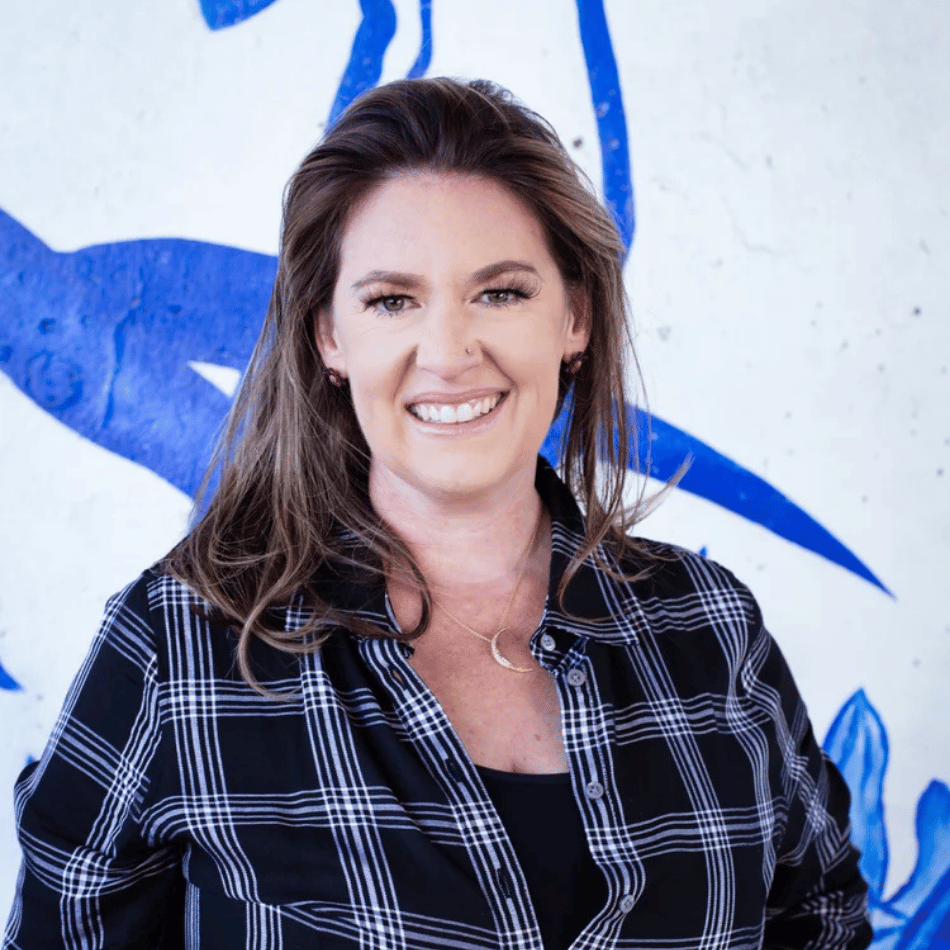
Jennifer Rolnick, Psy.D.
Best for TRE™ (Tension and Trauma Releasing Exercises)
Jennifer is a Certified TRE™ Provider who helps clients release trauma stored in the body through this evidence-based somatic modality. Her relational, insight-oriented approach creates safety for the body to unwind chronic tension patterns and trauma responses that have been held for years.
Credentials: Licensed Clinical Psychologist
Location: 25 E Washington St, Chicago, IL 60602
Virtual therapy? Yes, in addition to in-person
Tovah Means, MS, LMFT
Best for somatic therapy for dissociation
Tovah specializes in helping people who feel fragmented, numb, or disconnected from their bodies find their way back home. She integrates body-based interventions and interpersonal neurobiology with trauma-informed talk therapy methods, supporting people in safely reconnecting with physical sensations and integrating dissociated parts of self.
Credentials: Licensed Marriage and Family Therapist
Location: 25 E Washington St, Chicago, IL 60602
Virtual therapy? Yes, in addition to in-person

Kaitlyn Rippel, MA, LCSW
Best for somatic therapy for children and adolescents
Kaitlyn specializes in helping young people reconnect with their bodies through developmentally appropriate methods—like play therapy—blended with mind-body awareness. Her approach helps children and teens understand how emotions show up physically and build skills to regulate their nervous systems that they can use for years to come.
Credentials: Licensed Clinical Social Worker
Location: 25 E Washington St, Chicago, IL 60602
Virtual therapy? Yes, in addition to in-person

Sabrina Mirza, MA, LCSW
Best for somatic therapy for BIPOC populations
Sabrina brings an anti-oppressive, culturally responsive lens to somatic work, understanding how racism, systemic oppression, and intergenerational trauma are held in the bodies of BIPOC individuals. Her approach integrates polyvagal theory, trauma-informed mindfulness, and acceptance and commitment therapy (ACT) to honor the unique embodied experiences of marginalized communities.
Credentials: Licensed Clinical Social Worker
Location: 25 E Washington St, Chicago, IL 60602
Virtual therapy? Yes, in addition to in-person

Angie Zara, LPC
Best for somatic therapy for sexual trauma
Angie specializes in helping survivors of sexual trauma reclaim safety and agency in their bodies. Her trauma-informed, consent-centered approach integrates somatic awareness, relational therapy, and dialectical behavior therapy (DBT) to gently work with the body's responses to sexual violation, supporting clients in healing at their own pace.
Credentials: Licensed Professional Counselor
Location: 25 E Washington St, Chicago, IL 60602
Virtual therapy? Yes, in addition to in-person

Aspen Fultz, LSW
Best for somatic therapy for LGBTQIA+ individuals
Aspen offers an affirming, grounded space for LGBTQIA+ clients to explore how trauma, identity, and the body intersect. Their relational, exploratory approach supports clients navigating complex experiences—including gender and sexuality exploration, relational trauma, and grief—while cultivating a safer, steadier relationship with their bodies than many have previously known.
Credentials: Licensed Social Worker
Location: 25 E Washington St, Chicago, IL 60602
Virtual therapy? Yes, in addition to in-person

Caitlin Lawler, LCPC
Best for EMDR and somatic trauma therapy
Caitlin integrates EMDR with somatic practices, grounding techniques, and Internal Family Systems-informed approaches to help survivors of childhood abuse, domestic violence, and attachment trauma. Her steady, compassionate approach supports clients in rebuilding self-trust and a sense of internal safety that trauma may have disrupted.
Credentials: Licensed Professional Counselor, EMDR trained
Location: 25 E Washington St, Chicago, IL 60602
Virtual therapy? Yes, in addition to in-person
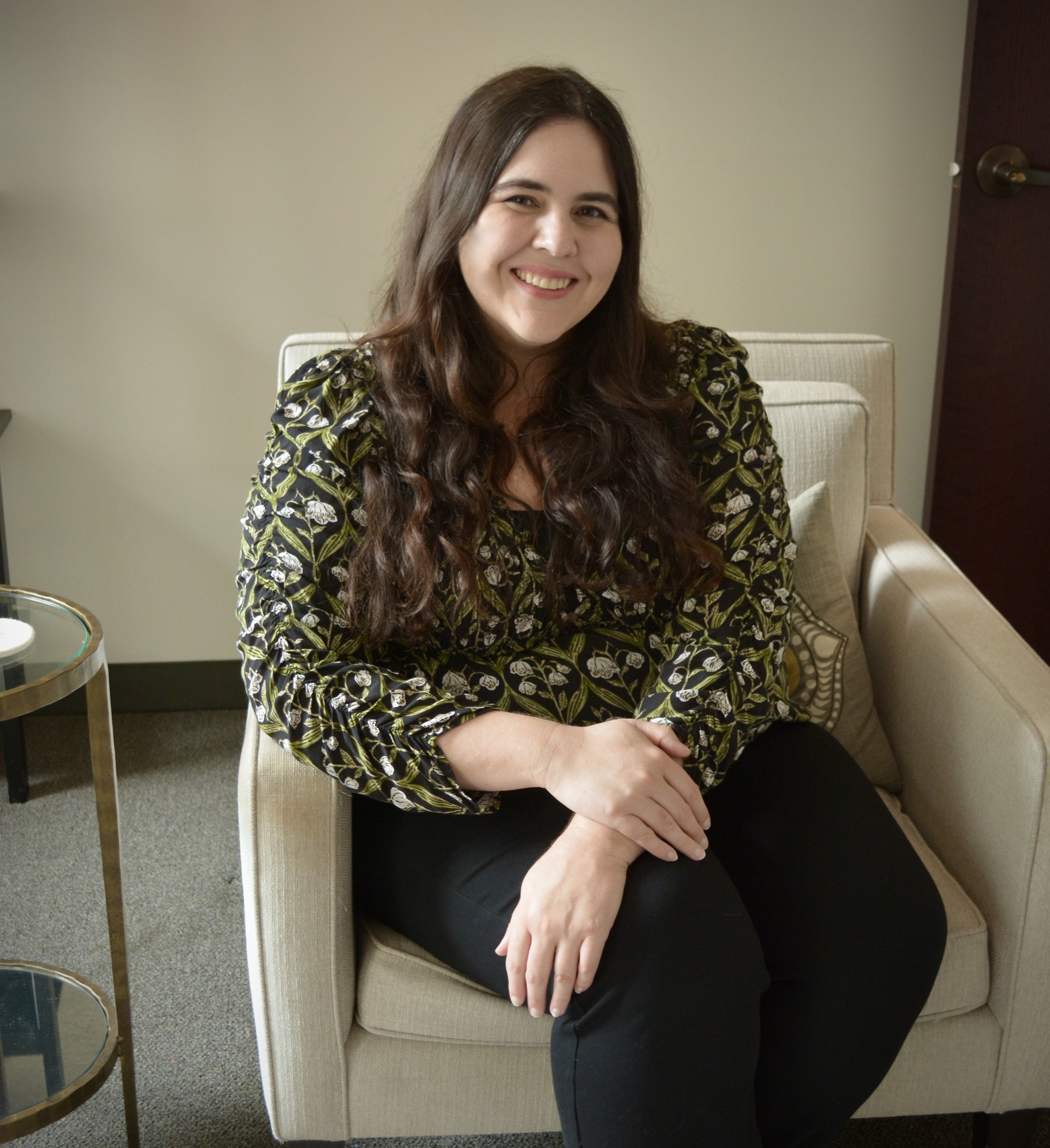
Rachel Lara, MA, ATR-P
Best for somatic art therapy
Rachel combines traditional counseling with art therapy, offering an alternative pathway into the body for clients who struggle to access trauma through words alone. Trained in stage-based trauma approaches including work with PTSD, C-PTSD, and DID, she helps clients use creative expression to safely explore what their bodies hold.
Credentials: ATR-P (Art Therapist-Provisional)
Location: 25 E Washington St, Chicago, IL 60602
Virtual therapy? Yes, in addition to in-person
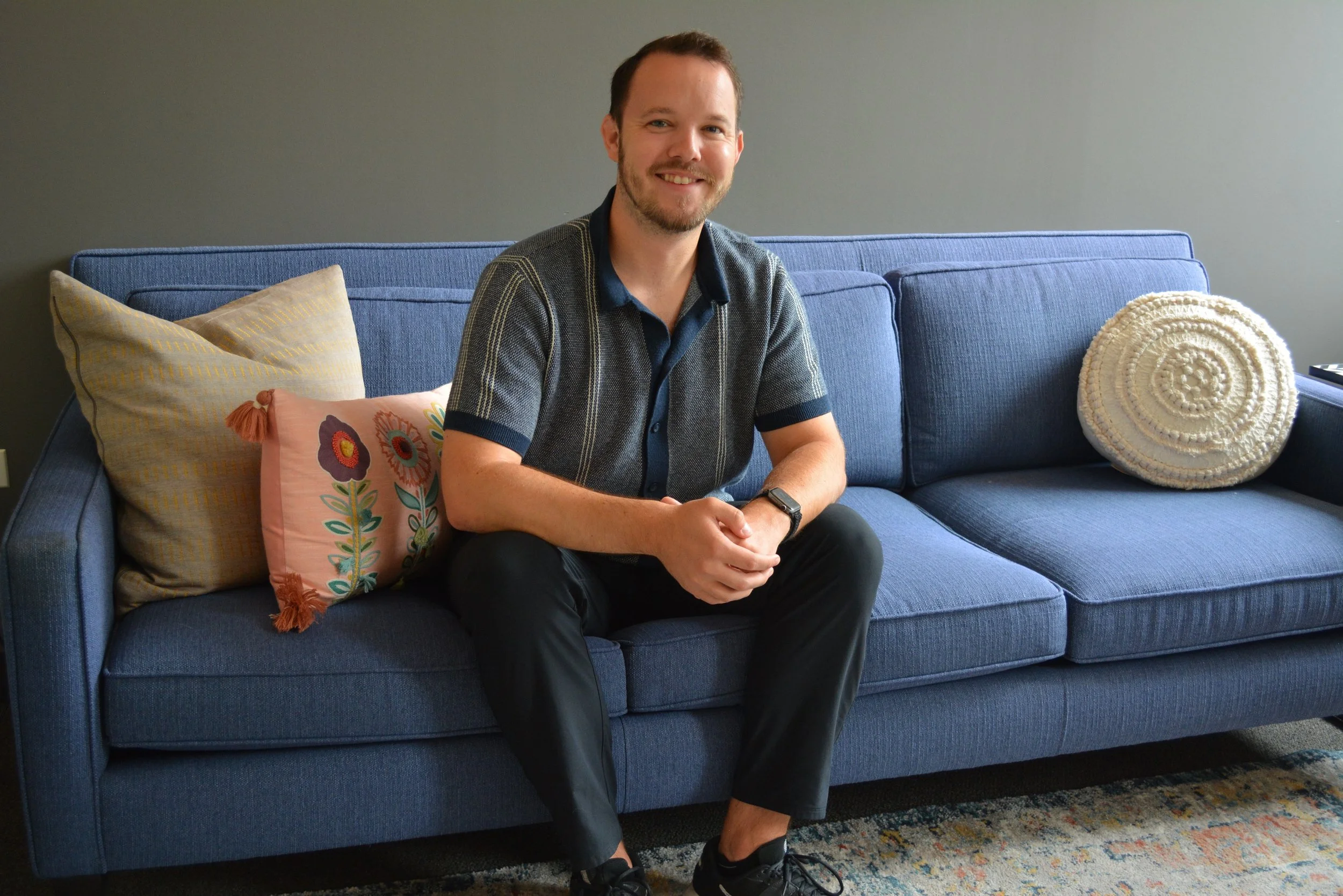
Brad McGinnis, LPC
Best for somatic therapy for neurodivergent individuals
Brad brings deep understanding of how neurodivergent individuals experience trauma in their bodies, working with clients navigating complex trauma alongside ADHD, autism, OCD, and other neurological differences. His person-centered, narrative approach honors each client's unique strengths while helping them develop greater self-understanding and body-based coping skills.
Credentials: Licensed Professional Counselor
Location: 25 E Washington St, Chicago, IL 60602
Virtual therapy? Yes, in addition to in-person
What sets our practice apart from other Chicago somatic counseling providers
At Watch Hill Therapy, we've built our entire practice around the understanding that trauma lives in the body. Our unique strengths include:
Over a decade of specialized trauma and dissociation treatment with somatic integration at the core of what we do
Certified TRE™ provider offering this powerful body-based trauma release modality
Diverse team of clinicians with various specializations and lived experiences
Hybrid availability with both in-person and virtual sessions to meet your comfort and accessibility needs
Convenient scheduling with evening and weekend appointments available
Relational foundation that honors the truth: what harms in relationship heals in relationship—including our relationship with our own bodies
Our approach goes beyond treating symptoms to help you reclaim your body as a place of wisdom, safety, and home.
Common reasons why people seek somatic therapy
You feel numb or disconnected from your body, like you're watching your life from the outside
Anxiety shows up physically—racing heart, tight chest, shallow breathing—no matter how much you verbally process it
You experience chronic pain, tension, or physical symptoms that doctors can't fully explain
Your body reacts before your mind catches up—flinching, tensing, bracing, or shutting down when overwhelmed
You struggle with emotional regulation and feel flooded or numb, with no in-between
Talk therapy has helped you understand your trauma intellectually, but you still don't feel better
You experience dissociation—losing time, feeling foggy, or struggling to stay present in your body
You're a survivor of childhood trauma, neglect, or abuse that your body remembers even when your mind doesn't
What to expect from the therapy process
We know that trauma healing isn’t linear. Think of these stages less as a prescriptive step-by-step formula for recovery and more as a general guideline of what to expect during your therapy journey.
-
We begin by creating a foundation of trust and safety—both in the therapeutic relationship and in your relationship with your own body. This phase involves learning about your nervous system, identifying what helps you feel grounded, and developing awareness of how your body communicates.
-
Before actively processing trauma, we build your capacity for self-regulation through somatic tools, breathing techniques, mindfulness practices, and other body-based interventions. You'll learn to recognize your window of tolerance and develop skills to support your nervous system when it becomes activated.
-
Building on this strong foundation, we gently begin to process the trauma, pain, or experiences held in your body. This may involve TRE™ or talk therapy blended with somatic awareness to help you break free from the patterns that keep you stuck. Know that this process will always move at a pace that feels manageable for you.
-
As our work together progresses, you'll develop a new relationship with your body—one characterized by trust, safety, and authenticity. This phase focuses on integrating what you've learned, reclaiming parts of yourself that were lost to trauma, and moving forward with greater embodied presence and agency.
FAQs about somatic counseling
-
A somatic therapist helps you heal by working directly with the body's responses to trauma, stress, and emotional pain. Rather than focusing solely on thoughts and behaviors, somatic therapy and somatic talk therapy help us understand affect cues (i.e., feelings) and address how experiences are stored in your nervous system and physical body, using techniques that release tension, regulate the nervous system, and restore the mind-body connection. While you’ll be tuning into your body sensations, know that somatic therapy with a mental health therapist involves no physical touch from the provider.
-
Somatic talk therapy integrates body awareness into traditional talk therapy conversations, helping you notice physical sensations while processing emotions.
TRE™ (Tension and Trauma Releasing Exercises) is a specific body-based technique that uses gentle exercises to activate the body's natural tremoring mechanism, releasing deep muscular tension and trauma without requiring verbal processing.
Both can be highly effective in healing trauma and used concurrently, and we’ll work with you to figure out the most effective approach for your unique situation.
-
Yes, insurance typically covers somatic therapy when it’s integrated into psychotherapy treatment. However, each plan is different, so we recommend contacting your insurance provider to verify your specific coverage and out-of-pocket costs.
-
Like other forms of psychotherapy, somatic therapy carries inherent risks. Some people have concerns that somatic work can potentially be retraumatizing if not approached with proper training, care, and intention. That’s why we prioritize establishing safety, working within your window of tolerance. All of our therapists are also specifically trained in trauma-informed modalities and somatic principles.
-
Chances are that if you’re interested in somatic therapy, it could be beneficial. We especially recommend somatic counseling if:
Traditional talk and behavioral therapy approaches haven’t brought you relief,
You feel disconnected from your body or your feelings, or
Trauma symptoms show up physically as tension, pain, panic, numbness, or hypervigilance.
If you’re not sure whether somatic therapy is right for you, contact us for a free consultation so we can discuss your situation directly.