
8 Chicago Depression Therapists [Available Now]
You might think of depression as a deep, unshakable sadness that keeps a person from getting out of bed or leaving the house. While that’s one picture of depression, it can also look like exhaustion, numbness, going through the motions, or quietly disappearing from your own life.
At Watch Hill Therapy, our Chicago depression therapists understand that depression can take on different forms and often has ties to painful past experiences. As a specialized trauma therapy practice, we’re here to help you work through the layers beneath the surface and find your way back to yourself.
Jump to a therapist
Aspen Fultz: Good fit for LGBTQIA+ adults and postpartum depression
Caitlin Lawler: Good fit for adults with depression rooted in trauma, abuse, or PTSD
Rachel Lara: Good fit for art therapy for depression
Kaitlyn Rippel: Good fit for neurodivergent children and teens
Angie Zara: Good fit for adults dealing with depression tied to grief, substance use, or relationship issues
Brad McGinnis: Good fit for co-occurring depression and OCD, eating disorders, and/or neurodivergence
Tovah Means: Good fit for adults with complex trauma and dissociation in addition to depression
Jennifer Rolnick: Good fit for adult trauma survivors with depression and anxiety
If you’re not sure which therapist is right for you, contact us so we can directly match you.
Meet our Chicago depression specialists
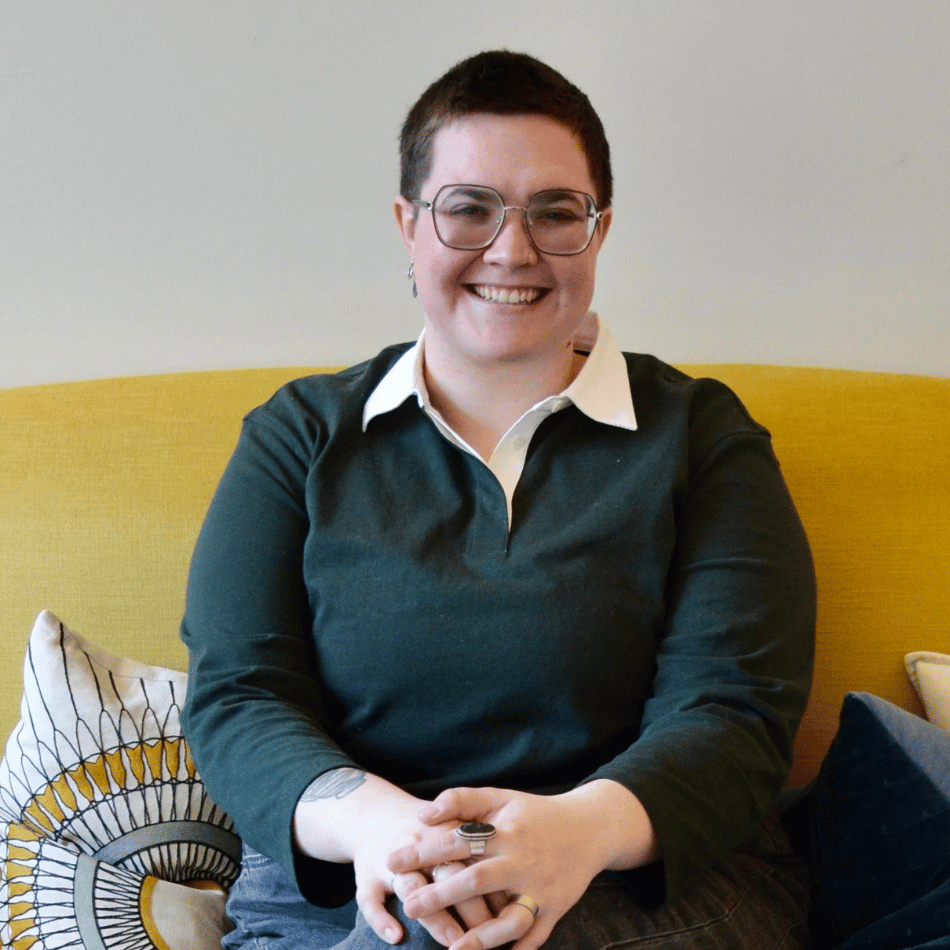
Aspen Fultz
Aspen specializes in the critical areas where depression can feel less obvious: during the process of coming out, in the fog of new parenthood, in the aftermath of relational trauma, in the grief of not yet knowing who you are.
What sets them apart is their particular expertise in working with LGBTQIA+ people. They recognize that even supposed “safe spaces” may have felt harmful for this community, which is why they’re especially committed to showing up in a curious, compassionate, affirming way.
Aspen is also a great fit for people adjusting to parenthood. They deeply understand how overwhelming and disorienting this chapter can be, and they offer a keen perspective to help people make meaning of their experience.
Credentials: Licensed Social Worker
Specialty Areas: Depression, LGBTQIA+ affirming care, complex trauma, grief, PTSD, new parenthood, gender and sexual identity
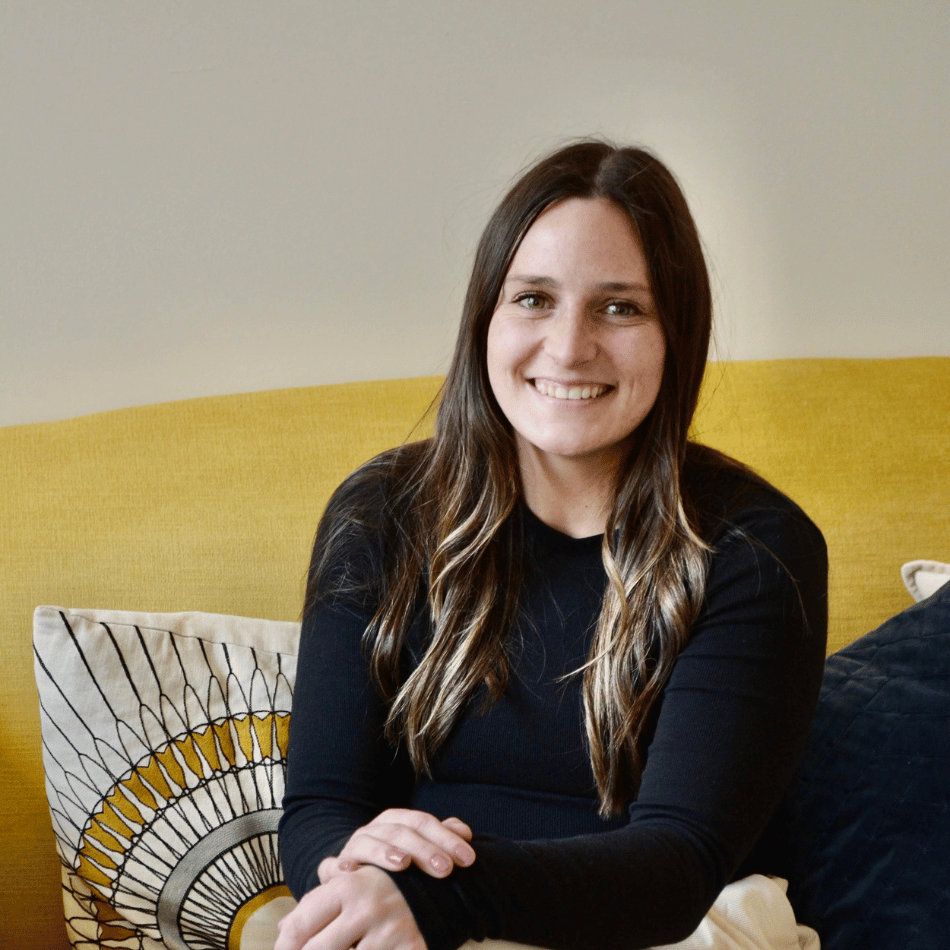
Caitlin Lawler
As the only EMDR-trained therapist on our team, Caitlin is an especially good fit for people whose current depression may be related to painful past experiences—even if those experiences don’t feel specifically tied to present-day struggles.
EMDR is an evidence-based trauma treatment that helps people reprocess painful experiences so they no longer have an intense emotional impact, and it’s especially comprehensive when Caitlin integrates it with IFS-informed approaches, somatic practices, and DBT skills.
Caitlin understands that trauma-driven depression often shows up in the body as much as the mind: as chronic tension, disrupted sleep, a vague, persistent dread that's hard to explain. For clients who have felt stuck in ways that talk therapy alone hasn't been able to touch, Caitlin's work offers a different way through.
Credentials: Licensed Professional Counselor #178019012
Specialty Areas: Depression, trauma, childhood abuse, domestic violence, sexual violence, attachment trauma, anxiety
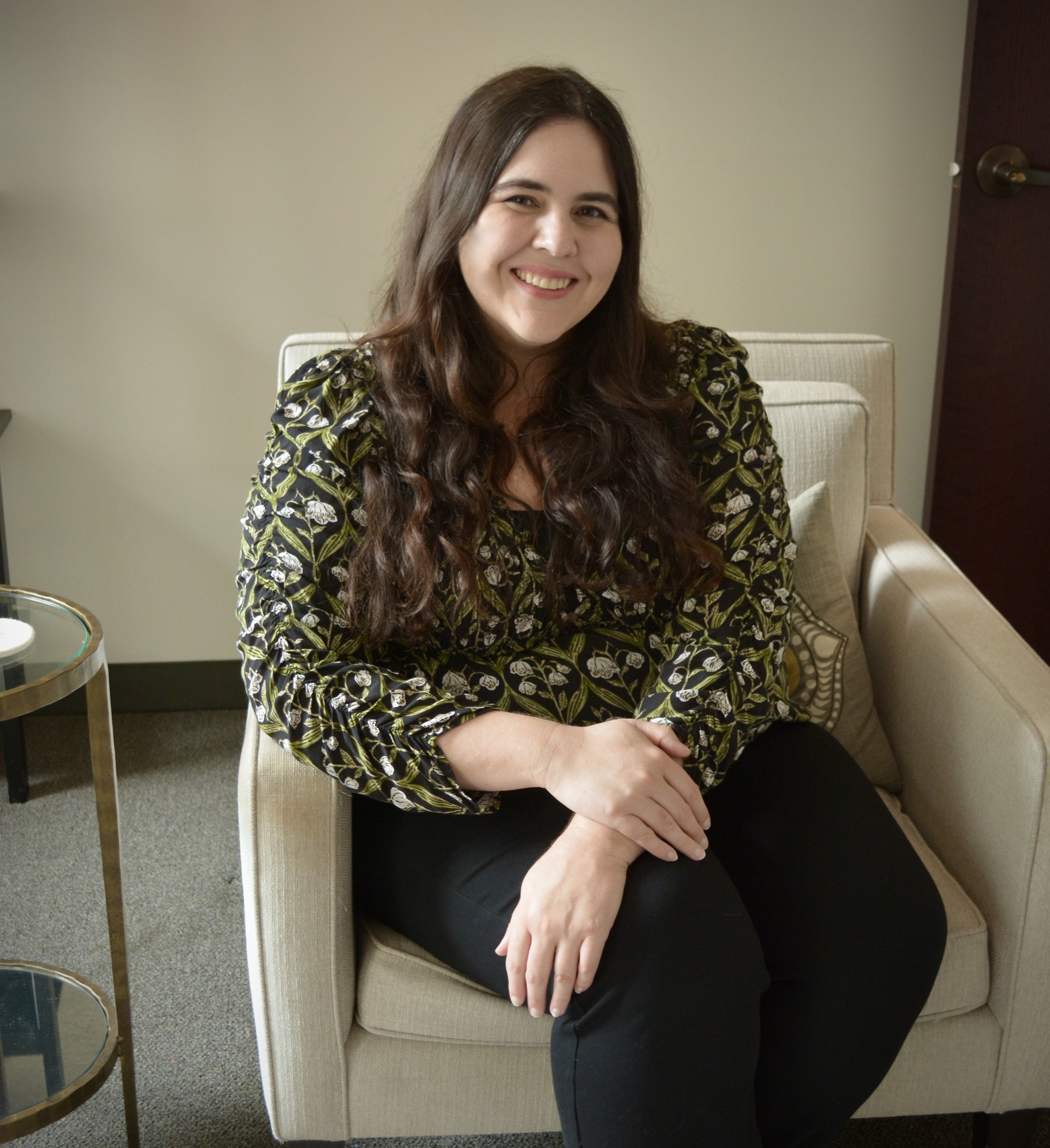
Rachel Lara
Rachel Lara brings something genuinely rare to depression treatment: she is both a trained counselor and an art therapist, which means she can offer clients a fundamentally different way into their inner world when language feels insufficient, inaccessible, or simply not enough. Her clinical background is particularly deep in trauma — she trained extensively with veterans, service members, and military-connected families, developing expertise in PTSD, C-PTSD, and DID that informs how she approaches depression rooted in traumatic experience.
Before becoming a therapist, Rachel completed a PhD in Journalism specializing in media psychophysiology, giving her a sophisticated understanding of how social media, news cycles, and cultural structures shape the way people feel about themselves and the world—a dimension of depression that most clinicians aren't equipped to address. Person-centered and multicultural in her approach, she works with clients of all ages and backgrounds, including LGBTQ+ individuals, meeting each person where they are and letting them lead.
Credentials: Registered Art Therapist (Provisional)
Specialty Areas: Depression, PTSD, C-PTSD, DID, art therapy, trauma, multicultural and LGBTQ+ affirming care, media and cultural influences on mental health

Kaitlyn Rippel
Kaitlyn is one of the few therapists in Chicago who brings genuine clinical depth to the overlap between depression and autism spectrum disorder in young people—a combination that is far more common than most practices are equipped to treat.
With years of experience as a school social worker, she understands the specific ways depression shows up in kids and teens: school refusal, shutting down, slow disappearance from the things they used to love.
Her approach is warm and direct, weaving play therapy, mind-body integration, and distress tolerance skills into treatment that is tailored to each child's strengths rather than their deficits.
Credentials: Licensed Clinical Social Worker #149026332
Specialty Areas: Depression, children and adolescents, autism spectrum disorder, trauma, grief, attachment wounds, anxiety

Angie Zara
Angie brings a background in forensic psychology to her work with adults, a perspective that sharpens her ability to understand the behavioral, relational, and psychological patterns that keep people stuck in depression long after the original wound.
She works with clients navigating some of the harder, less tidy presentations: depression layered with substance use, grief that won't move, or relationship dynamics that have become part of the problem. Her harm-reduction philosophy means clients never have to be "ready enough" or have their life fully together before they deserve care.
Angie is the kind of therapist who can hold complexity without flinching, which makes her a standout choice for clients who've felt like they were too much, or not enough, elsewhere.
Credentials: MA in Forensic Psychology from The Chicago School of Professional Psychology
Specialty Areas: Depression, grief, substance use, relationship issues, trauma, anxiety
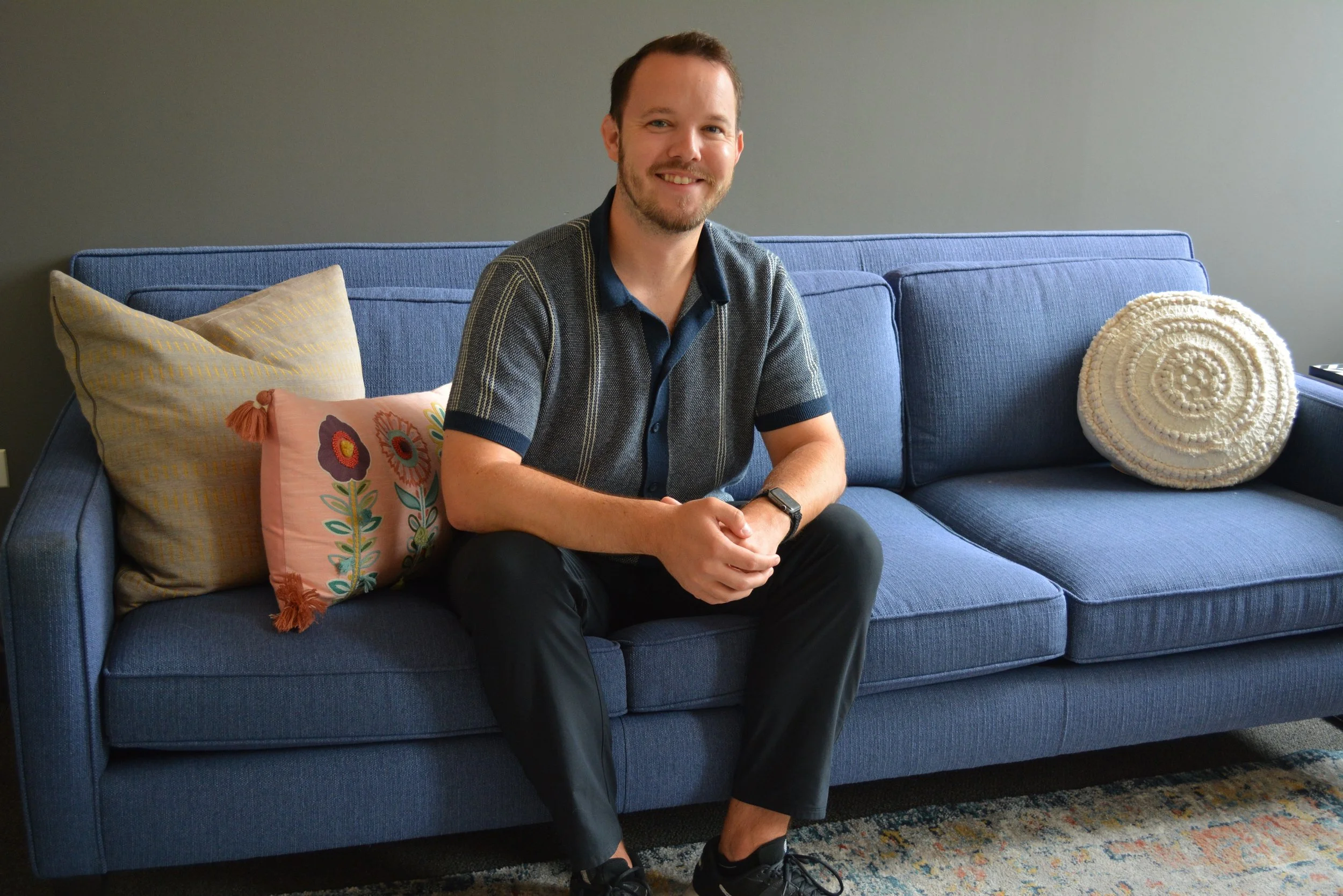
Brad McGinnis
Brad works at the edges of depression, with clients whose presentations are complex enough that a standard approach simply won't cut it. He specializes in the intersections: depression and OCD, depression and neurodiversity, depression and eating disorders, depression and dissociation—the combinations that require a clinician who has genuinely thought carefully about how these experiences overlap and inform one another.
His therapeutic framework is integrative and philosophically grounded, drawing on person-centered, narrative, Gestalt, and existential approaches that help clients develop not just coping skills but a deeper, more honest understanding of who they are and why they feel the way they do.
Brad's commitment to building a therapy relationship grounded in trust and empathy isn't just language — it's the foundation from which all of his clinical work grows, and it makes him a particularly strong fit for clients who have felt misunderstood, over-pathologized, or unseen by previous providers.
Credentials: Licensed Professional Counselor
Specialty Areas: Depression, complex trauma, OCD, eating disorders, dissociation, neurodiversity, anxiety, adolescents and adults
Tovah Means
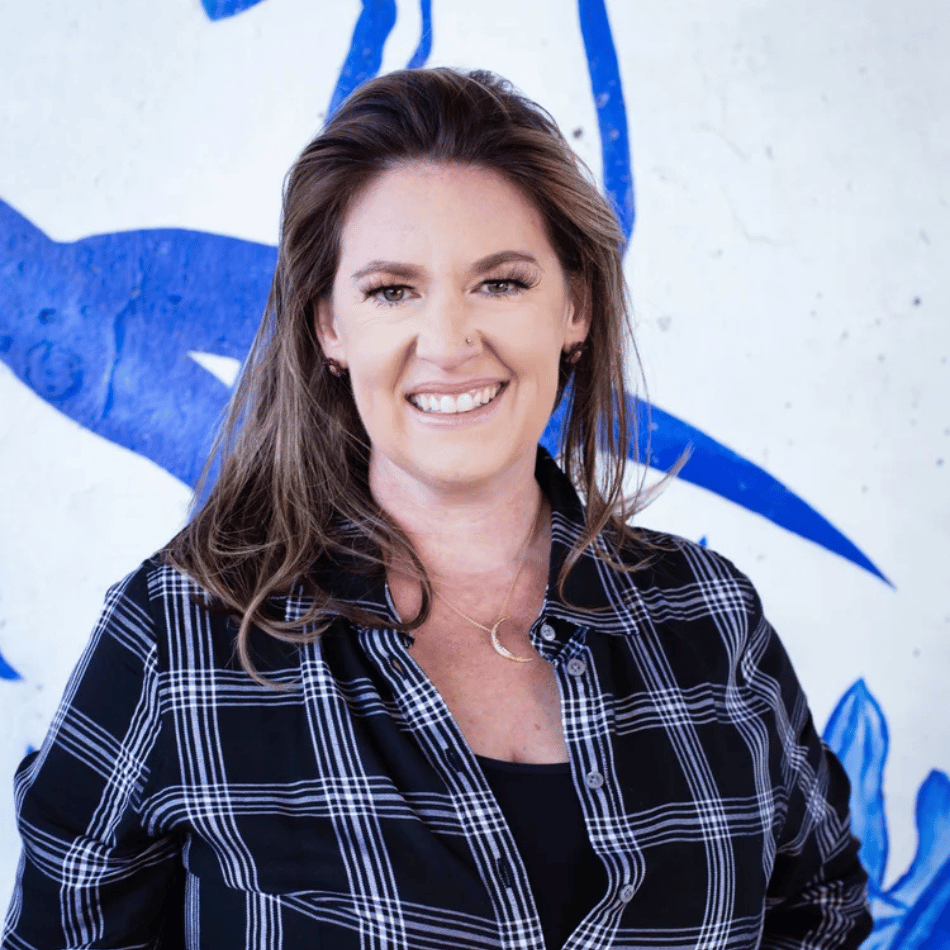
Tovah is the founder and co-owner of Watch Hill Therapy and has spent over 13 years specializing in the kind of depression that lives deep in the body and the nervous system—the kind born from complex childhood trauma, neglect, and painful relational histories that many therapists simply aren't trained to reach.
Her approach is deeply relational and trauma-informed, drawing on interpersonal neurobiology, somatic understanding, and a feminist lens to treat the whole person, not just the symptoms.
If your depression feels layered, longstanding, or connected to experiences you've never fully been able to process, Tovah brings both the clinical expertise and the genuine human warmth to go there with you.
Credentials: Licensed Marriage and Family Therapist #166000881
Specialty Areas: Depression, complex trauma, dissociation, developmental trauma, somatic work, structural dissociation
Jennifer Rolnick
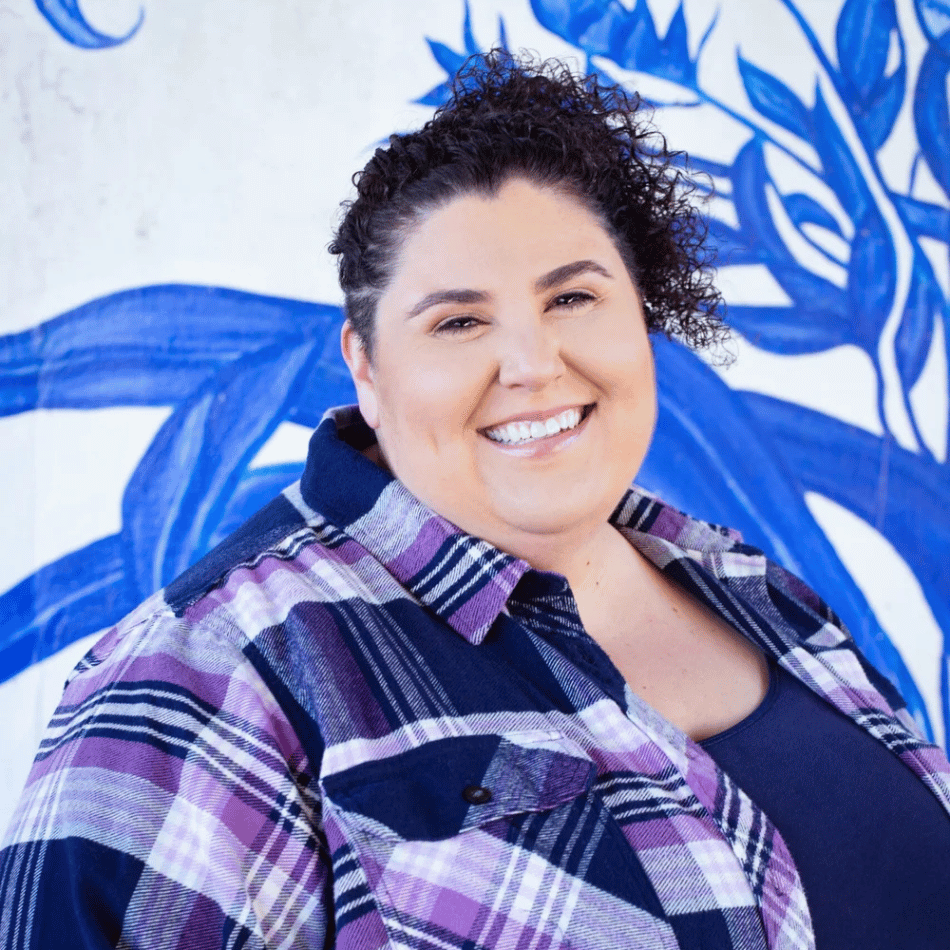
Jennifer is a licensed clinical psychologist and practice co-owner whose work is grounded in the same relational, trauma-informed philosophy that defines Watch Hill Therapy at its core: the belief that what harms in relationship must heal in relationship. She also recognizes that depression is rarely just a mood disorder but something with deeper roots in the nervous system, the body, and a person's relational history.
Her insight-oriented approach draws on attachment theory, a feminist framework, dissociative parts work, and a deep understanding of complex trauma to help clients explore the patterns—past and present—that keep them stuck, within a therapeutic relationship built on genuine safety and trust.
Jennifer also brings a distinctive somatic dimension to her work as one of the few certified TRE™ (Tension and Trauma Releasing Exercises) providers in Chicago, offering clients a pathway into the body when talk therapy alone isn't enough to shift what's been held there.
Credentials: Licensed Clinical Psychologist #071008423, Certified TRE™ Provider
Specialty Areas: Depression, complex trauma, mood and anxiety disorders, life transitions, body-based trauma therapy
What sets our practice apart from other Chicago depression therapy providers
At Watch Hill Therapy, we don't treat depression as a checklist of symptoms to manage. We treat the whole person, including the history, the body, and the relationships that shape their inner world.
Trauma specialty at the core: Depression rarely exists in a vacuum. Our team is specifically trained to address the complex trauma that so often underlies it, something most general therapy practices are not equipped to do.
13 years as a leading Chicago practice: Founded in 2012, Watch Hill Therapy has built a reputation as a leader in trauma-informed care.
A diverse team of specialists: From children and teens to couples and families, our clinicians span a wide range of specialties, ages, identities, and approaches so you can find the right fit, not just any therapist.
Hybrid availability: We offer both in-person sessions in the heart of downtown Chicago and telehealth options, with evening and weekend hours to work around your life.
Culturally sensitive and identity-affirming: Our team includes bilingual clinicians and therapists with deep expertise in LGBTQIA+ care, BIPOC identity, and the impact of systemic oppression on mental health.
Insurance-friendly practice: If you have Blue Cross Blue Shield PPO, we can bill your plan directly to make therapy more accessible. We can also provide a superbill for out-of-network reimbursement if you have a different provider.
What to expect from the therapy process
Step 1: Free consultation call
Your first step is a brief, no-pressure phone consultation where you can share what's been going on, ask questions, and get a sense of whether our practice feels like the right fit for you. We'll help match you with the clinician whose specialty and style align best with your needs.
Step 2: Your first session
Your first session is about getting to know you, not just giving you a diagnostic label. Your therapist will ask thoughtful questions, listen carefully, and begin building the kind of trusting relationship that real healing depends on. You set the pace.
Step 3: Ongoing therapy and deeper work
As trust builds, sessions move deeper as we begin to explore the patterns, histories, and emotional realities that underlie your depression. Depending on your therapist and your goals, this may include somatic work, trauma processing, relational exploration, or skill-building.
Step 4: Growth, integration, and moving forward
Healing isn't linear, but over time, most clients notice real shifts: more emotional steadiness, a clearer sense of self, and a greater capacity to move through hard things. We'll work with you to recognize that progress and think intentionally about what comes next.
FAQs about depression treatment
-
Depression can feel different for every person, and it doesn't always look like sadness. Common signs include:
Persistent low mood, emptiness, or hopelessness
Loss of interest in things you used to enjoy
Fatigue or low energy, even after rest
Difficulty concentrating or making decisions
Changes in sleep, either too much or too little
Changes in appetite or weight
Withdrawing from people and activities
Feelings of worthlessness or excessive guilt
In some cases, thoughts of death or not wanting to be here
If these symptoms resonate, therapy can help. Keep in mind that you don’t need to be experiencing every single one of these to benefit from getting support.
-
Depression takes many forms, and our team has experience working across the full spectrum. We can help with:
Major depressive disorder
Persistent depressive disorder (dysthymia)
Depression rooted in or compounded by trauma or PTSD
Postpartum depression and perinatal mood disorders
Situational depression following grief, loss, or major life transitions
Depression connected to identity, oppression, or discrimination
Depression co-occurring with anxiety, ADHD, or dissociation
Depression in children, adolescents, adults, and couples
Whatever shape your depression takes, our team is trained to meet you there with approaches that go deeper than symptom management.
-
Yes, therapy alone is an evidence-based and effective treatment for many people with depression. Our clinicians use approaches like trauma-informed therapy, EMDR, DBT, somatic work, and relational therapy to create meaningful, lasting change. That said, medication can be a helpful part of treatment for some people, and we're happy to coordinate with your prescriber if that's part of your care plan.
-
There's not just one best type of therapy for depression. The most effective approach depends on the person, their history, and what's underneath the depression. At Watch Hill Therapy, we draw on a range of modalities including EMDR, DBT, somatic therapies, relational trauma treatment, ACT, and parts-based approaches. What matters most is finding a therapist you feel comfortable with and who you can trust to tailor their approach to your specific needs and goals.
-
At Watch Hill Therapy, we approach depression as something that almost always has roots in something deeper. Rather than treating symptoms in isolation, we work to understand the whole person: their trauma, their nervous system, their relational world, and what healing might actually look like for them specifically. Our approach is warm, deeply relational, and informed by the latest understanding of trauma and neurobiology.
-
Therapy helps with depression by exploring the patterns that underlie it rather than just managing the surface-level symptoms. A skilled therapist offers a safe, consistent relationship where patterns can be examined, emotions can be felt and expressed, and a more grounded, connected sense of self can begin to emerge. Many clients find that therapy creates changes that reach far beyond their mood.
-
Yes, depression therapy is typically covered by insurance. We accept Blue Cross Blue Shield PPO insurance, but for clients with other insurance plans, we can provide a superbill for potential out-of-network reimbursement. We encourage you to contact your insurance company to understand your specific benefits before getting started.