
6 Chicago Therapists for Victims of Narcissistic Abuse or Domestic Violence
Narcissistic abuse and domestic violence can leave you questioning your own judgment, struggling to trust others, or feeling unsafe long after a relationship has ended. When someone has repeatedly dismissed your feelings, controlled your choices, or made you doubt your reality, the effects can reach into nearly every part of your life. Healing from these experiences requires more than recognizing that a relationship was harmful.
At Watch Hill Therapy, we specialize in understanding how relational trauma affects your sense of safety, identity, and connection with others. Our Chicago therapists for victims of narcissistic abuse or domestic violence offer compassionate, individualized support for people recovering from narcissistic abuse, domestic violence, and emotionally abusive relationships.
Whether you're still trying to understand what happened or working toward rebuilding your life, we're here to help.
The effects of narcissistic abuse and domestic violence can continue long after the relationship changes or ends.
Abusive relationships don't always involve physical violence. Emotional manipulation, intimidation, isolation, financial control, and ongoing criticism can gradually change how you see yourself and navigate relationships. You might recognize some of these experiences:
"I keep replaying conversations, wondering if I was actually the problem."
"I apologize constantly, even when I haven't done anything wrong."
"I don't trust my own decisions anymore."
"I feel guilty for leaving, even though I know the relationship was hurting me."
"I'm always watching people's moods because I'm afraid of upsetting someone."
"I want to feel close to someone again, but I'm terrified of repeating the same patterns."
These responses can develop when your emotional or physical safety has been repeatedly threatened. Chicago therapy for narcissistic abuse and domestic violence can help you understand how these experiences have affected you, reconnect with your own needs, and begin establishing a greater sense of safety and trust.
Meet our Chicago therapists for victims of narcissistic abuse and domestic violence

Caitlin Lawler
I work with adults who have experienced domestic violence, childhood abuse, and attachment or relational trauma. These experiences can leave you feeling constantly on edge, disconnected from your emotions, or unsure whether it's safe to trust another person. Even after leaving a harmful relationship, your mind and body may continue responding as though danger is nearby.
As an EMDR-trained therapist, I use Eye Movement Desensitization and Reprocessing alongside attachment-based and Internal Family Systems-informed approaches to help you process traumatic experiences. I also incorporate grounding techniques, somatic practices, and DBT skills when appropriate. My goal is to help you understand your trauma responses, rebuild confidence in your own judgment, and develop a stronger sense of internal safety at a pace that feels manageable.
Credentials: Licensed Clinical Professional Counselor #180018041, EMDR trained
Specialty Areas: Domestic violence, sexual violence, childhood abuse, attachment and relational trauma
Availability: Virtual and in-person in Chicago

Kaitlyn Rippel
Waitlist only
Experiencing abuse or violence within a relationship can be particularly confusing for children and teens, especially when the person causing harm is someone they depend on or trust. I specialize in helping young people work through trauma, attachment wounds, and the emotional challenges that can follow unsafe relationships.
Drawing on my background as a school social worker, I use play therapy, mind-body integration, distress tolerance skills, and age-appropriate psychoeducation to help children and teens understand their experiences, rebuild a sense of safety, and develop confidence in their own voices. I also have specialized experience supporting autistic and neurodivergent young people, recognizing that each child may process and communicate their experiences differently.
Credentials: Licensed Clinical Social Worker #149026332
Specialty Areas: Trauma, play therapy, grief and loss, autism and neurodivergence
Availability: Virtual and in-person in Chicago
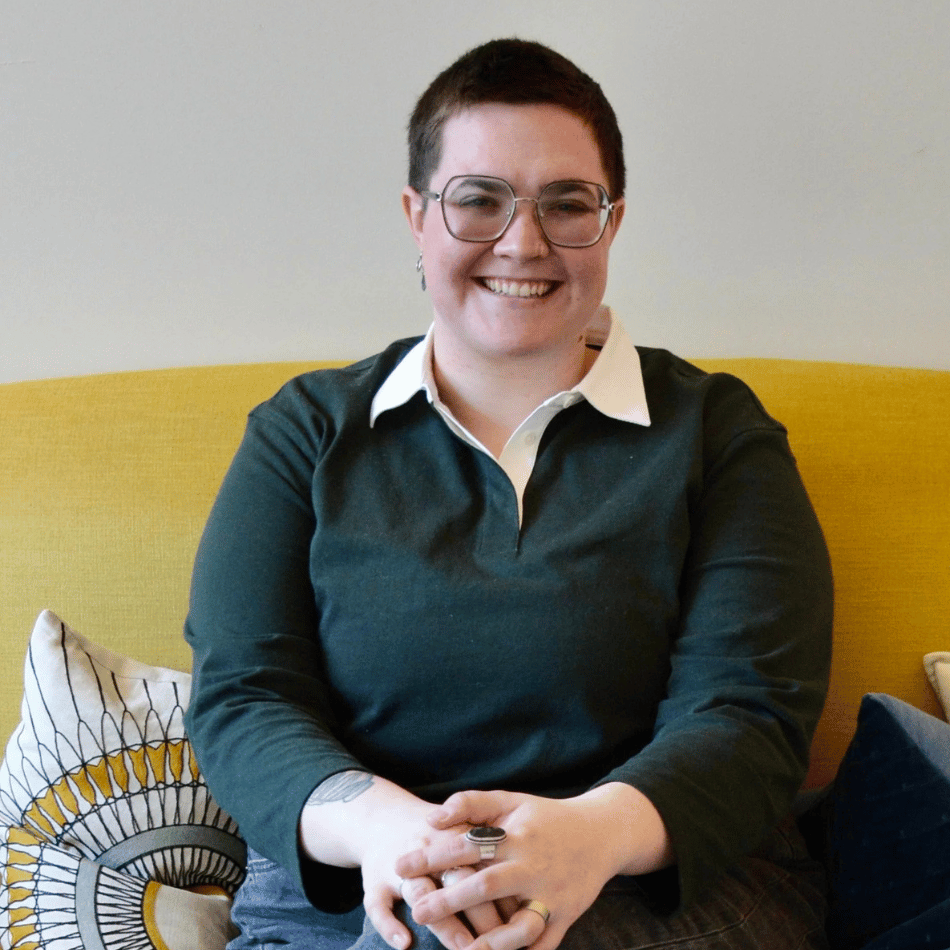
Aspen Fultz
Experiencing narcissistic abuse or domestic violence can leave you questioning your identity, struggling to trust your instincts, or feeling disconnected from who you were before the relationship. For LGBTQIA+ individuals, these experiences can be especially complicated when an abusive partner uses your identity, sexuality, or relationships as a means of control.
I specialize in developmental and relational trauma, with a particular focus on helping LGBTQIA+ clients navigate the intersection of identity, trauma, and relationships. As a queer therapist, I bring both lived experience and an affirming, deeply relational approach to our work. Together, we can explore how abuse has affected your sense of self, rebuild confidence in your needs and boundaries, and help you develop relationships where you feel safe being your authentic self.
Credentials: Licensed Social Worker
Specialty Areas: Sexual and gender identity, LGBTQIA+ clients, developmental and relational trauma, PTSD, parenting transitions
Availability: Virtual and in-person in Chicago
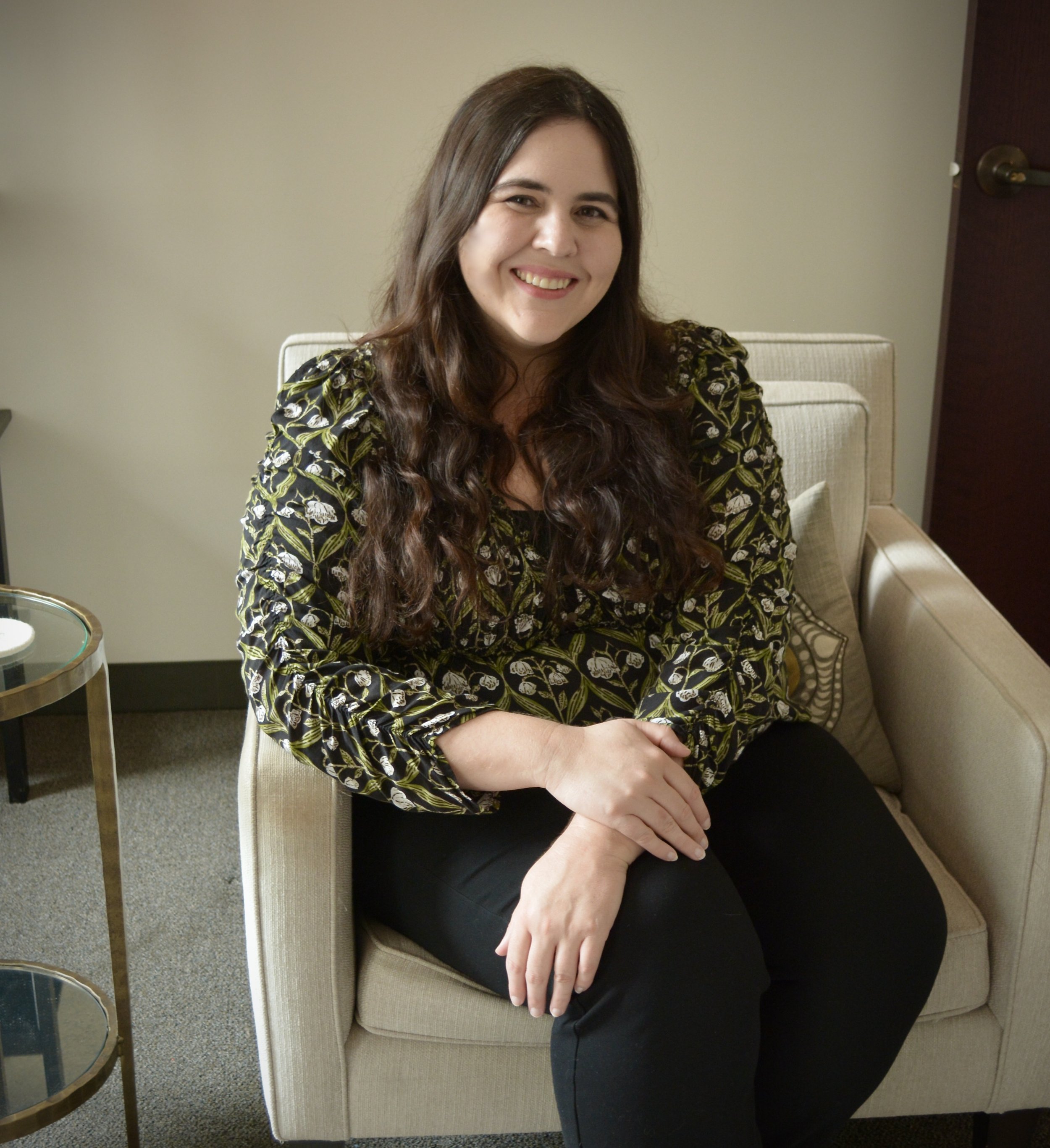
Rachel Lara
When you've spent months or years being criticized, controlled, or made to question your reality, finding the words to describe what happened can be difficult. Some people experience emotional numbness, dissociation, or conflicting feelings toward the person who harmed them. I believe therapy should make space for these complicated responses without expecting you to have everything figured out.
My background in counseling and art therapy allows me to offer different ways of exploring experiences that may be difficult to communicate verbally. I use person-centered, stage-based approaches to support people navigating PTSD, complex PTSD, and dissociation, with an emphasis on establishing safety before deeper trauma processing. Together, we can explore how past relationships have shaped your emotional experiences and help you reconnect with your own voice, needs, and sense of identity.
Credentials: Registered Art Therapist (Provisional)
Specialty Areas: PTSD and C-PTSD, dissociation and DID, multicultural and LGBTQ+ clients
Availability: Virtual and in-person in Chicago
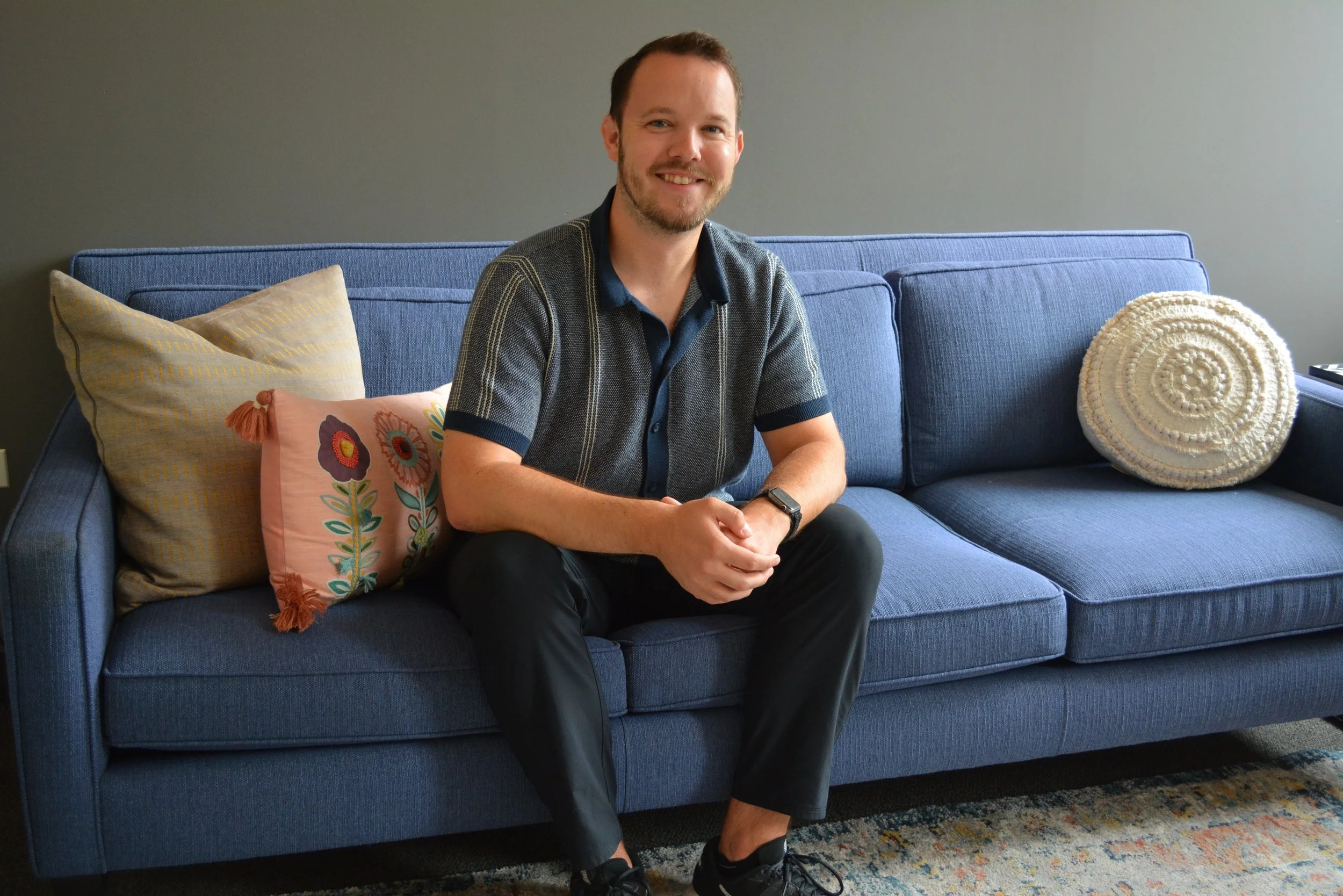
Brad McGinnis
Living through an abusive relationship can change how you interpret other people's behavior and how you respond to conflict. You may find yourself second-guessing your memories, minimizing your needs, or feeling responsible for managing someone else's emotions. For people navigating complex trauma alongside OCD, eating disorders, or neurodivergence, understanding these patterns can be particularly complicated.
I work with adolescents and adults using person-centered, narrative, Gestalt, existential, and Rational Emotive Behavior Therapy (REBT) approaches. Rather than defining you by what you've experienced, I help you explore the beliefs and coping patterns that have developed around those experiences. My aim is to create a space where you can examine painful relationship dynamics without shame, recognize your own strengths, and begin making choices that feel more aligned with who you are.
Credentials: Licensed Professional Counselor
Specialty Areas: Complex trauma and dissociation, sexual abuse, OCD, eating disorders, neurodiversity
Availability: Virtual and in-person in Chicago

Angie Zara
People who have experienced narcissistic abuse or domestic violence often carry complicated feelings about what happened, including grief, anger, shame, or a lingering attachment to the person who hurt them. Some may also turn to substances or other coping strategies to manage overwhelming emotions. I believe these responses deserve understanding rather than judgment.
I support adults navigating trauma, relationship difficulties, substance use, anxiety, and depression through a strengths-based, collaborative approach. Drawing from relational trauma therapy, DBT, Motivational Interviewing, and harm reduction principles, I help you better understand your emotional responses and identify what meaningful change looks like for you. Whether you're rebuilding confidence, working through a painful separation, or learning to recognize healthier relationship dynamics, I respect your autonomy and the pace of your healing.
Credentials: Licensed Professional Counselor
Specialty Areas: Trauma, substance use, relationship issues, anxiety and depression, grief
Availability: Virtual and in-person in Chicago
What sets our practice apart from other Chicago narcissistic abuse and domestic violence therapists
Specialized experience with complex and relational trauma. Our trauma-focused practice understands how prolonged exposure to manipulation, coercion, abuse, and unsafe relationships can affect emotional well-being and attachment.
A relational approach to therapy. We recognize that harmful relationships can disrupt trust, and that a consistent, collaborative therapeutic relationship can be an important part of recovery.
Support beyond traditional talk therapy. Our clinicians integrate approaches such as EMDR, somatic and body-based interventions, attachment-focused therapy, and parts work when appropriate.
Care that respects your autonomy. We don't pressure clients to leave relationships, forgive someone who hurt them, or process experiences before they're ready. Your safety, choices, and goals guide treatment.
Support for different experiences and identities. Our diverse team works with individuals navigating intersecting experiences involving cultural identity, gender, sexuality, neurodivergence, and other aspects of their lives.
Flexible therapy options in Chicago. We offer in-person and virtual appointments, with evening, weekend, and hybrid options to accommodate different needs and schedules.
FAQs about therapy for victims of narcissistic abuse and domestic violence
-
There isn't one approach that works best for everyone. Depending on your experiences, trauma-focused approaches such as EMDR, somatic therapy, and attachment-based therapy may help you process distressing memories, understand relationship patterns, and rebuild self-trust. Finding a therapist for narcissistic abuse or domestic violence who understands emotional abuse and respects your pace is especially important.
-
Narcissistic abuse is a commonly used term for patterns of emotional manipulation, control, invalidation, or other harmful behavior associated with narcissistic traits. It isn't a formal clinical diagnosis, and the person engaging in these behaviors doesn't necessarily have narcissistic personality disorder.
Domestic violence, or intimate partner violence, is a broader term that may include physical, sexual, emotional, psychological, or financial abuse, as well as coercive control. These experiences can overlap, but neither requires the other.
-
Yes. You don't need to have left a relationship to seek support. Therapy can provide space to explore your experiences, better understand patterns of control, and consider your options without pressure or judgment. If abuse is ongoing, your therapist can also help you consider safety and access appropriate resources. Individual therapy is generally preferable to couples counseling when coercive control or violence is present.
-
It's possible to recognize that someone harmed you while still feeling love, attachment, grief, or longing for them. Relationships involving abuse can include periods of affection, reassurance, or closeness alongside harmful behavior. These experiences can create powerful emotional attachments. Therapy can help you make sense of these conflicting feelings without blaming yourself.
-
Therapy for mental health concerns related to abuse, such as anxiety, depression, or PTSD, may be covered by insurance depending on your plan and clinical needs. Watch Hill Therapy is in-network with Blue Cross Blue Shield PPO, and we can provide superbills if you’re seeking potential out-of-network reimbursement through other insurers.